
By Samwel Oyugi Oriwo
1. Background
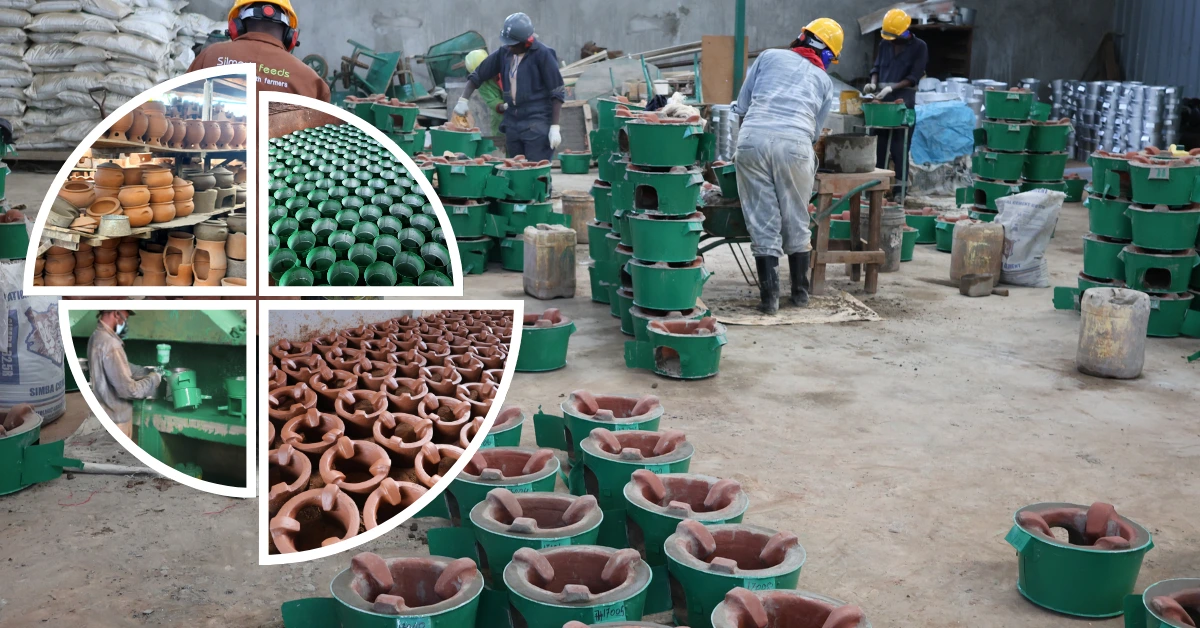
The Ceramic Cookstove Value Chain Mapping project in Murang’a and Nyeri Counties seeks to strengthen Kenya’s clean cooking sector by improving the efficiency, durability, and environmental performance of ceramic biomass cookstoves. The initiative is anchored on work led by the Kenya Industrial Research and Development Institute (KIRDI), supported by the green and Digital Innovation Hub (gDIH) consortium, and informed by extensive stakeholder engagement across the cookstove ecosystem—from clay miners and liner producers to assemblers, marketers, and regulators. The study region, particularly Maragua and Kiria areas, hosts a vibrant network of small-scale artisans, miners, and stove manufacturers whose livelihoods depend on the ceramic liner value chain. Despite the sector’s economic importance, communities face significant operational, environmental, and safety challenges that limit productivity and hinder the adoption of improved clean cooking solutions. This project provides a structured analysis to inform targeted training, innovation, and policy interventions that support SDG 7 on affordable and clean energy.
2. Challenge
Before the intervention, the ceramic cookstove sector grappled with fragmented production systems, low technological capacity, and significant environmental and occupational risks. Clay and pottery sand mining relied heavily on manual, unmechanized extraction, exposing miners—mostly women and men working at low wages—to hazards such as underground water seepage, landslides, and abandoned pits that become breeding grounds for disease vectors . Production inefficiencies were widespread due to inconsistent clay–sand mixing, limited pre-processing, variable kiln designs, inadequate PPE use, and lack of standardized manufacturing protocols. These challenges led to high breakage rates, low thermal efficiency (26–35%), and short product lifespans. The absence of marketing structures, carbon market readiness, and cooperative organization further weakened the sector’s competitiveness. Addressing these gaps was critical not only for improving product quality but also for advancing environmental sustainability, supporting local livelihoods, and enabling broader adoption of clean cooking technologies in Kenya.
The photos below shows various evidence from the field;
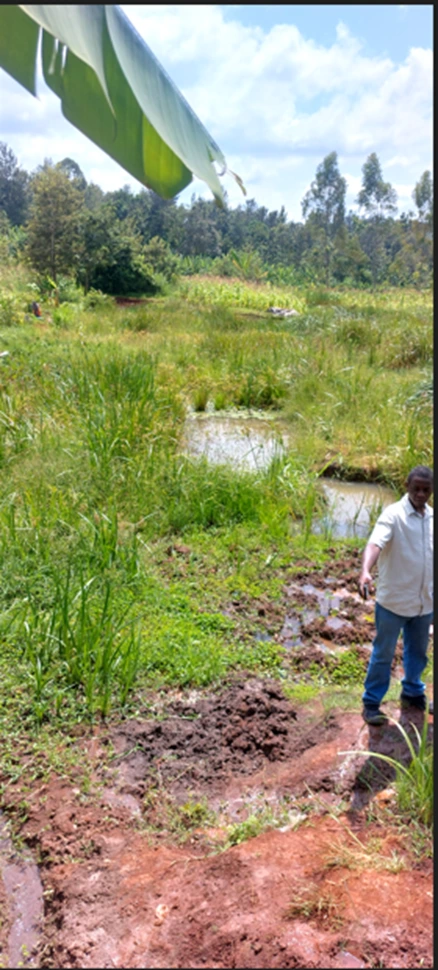
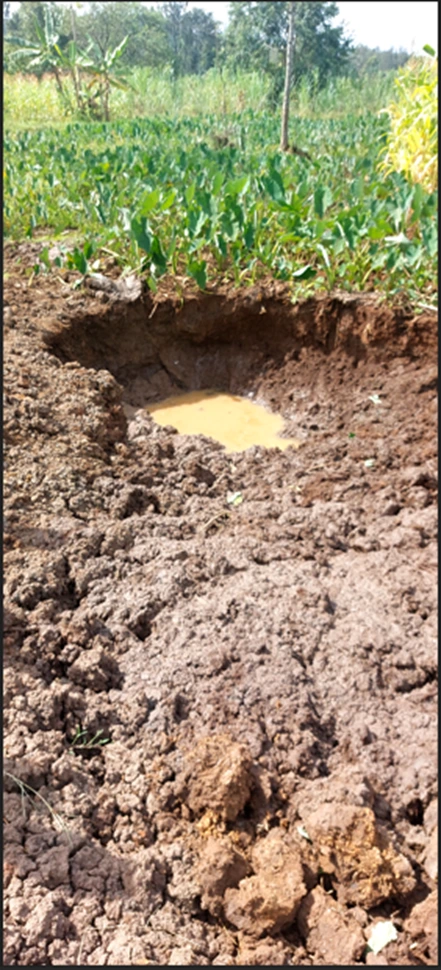
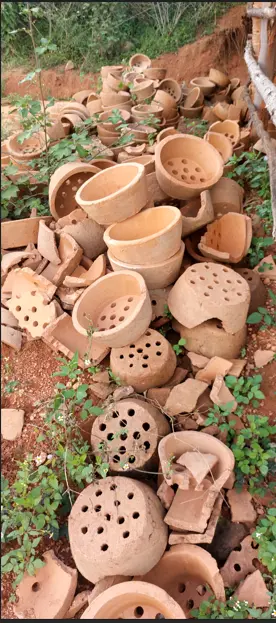
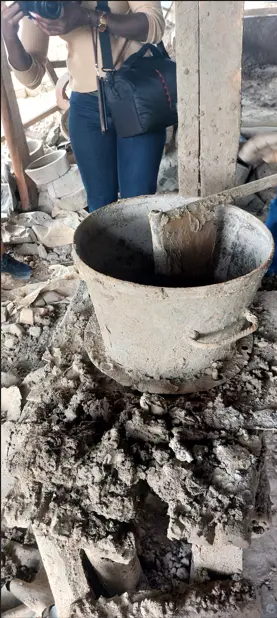
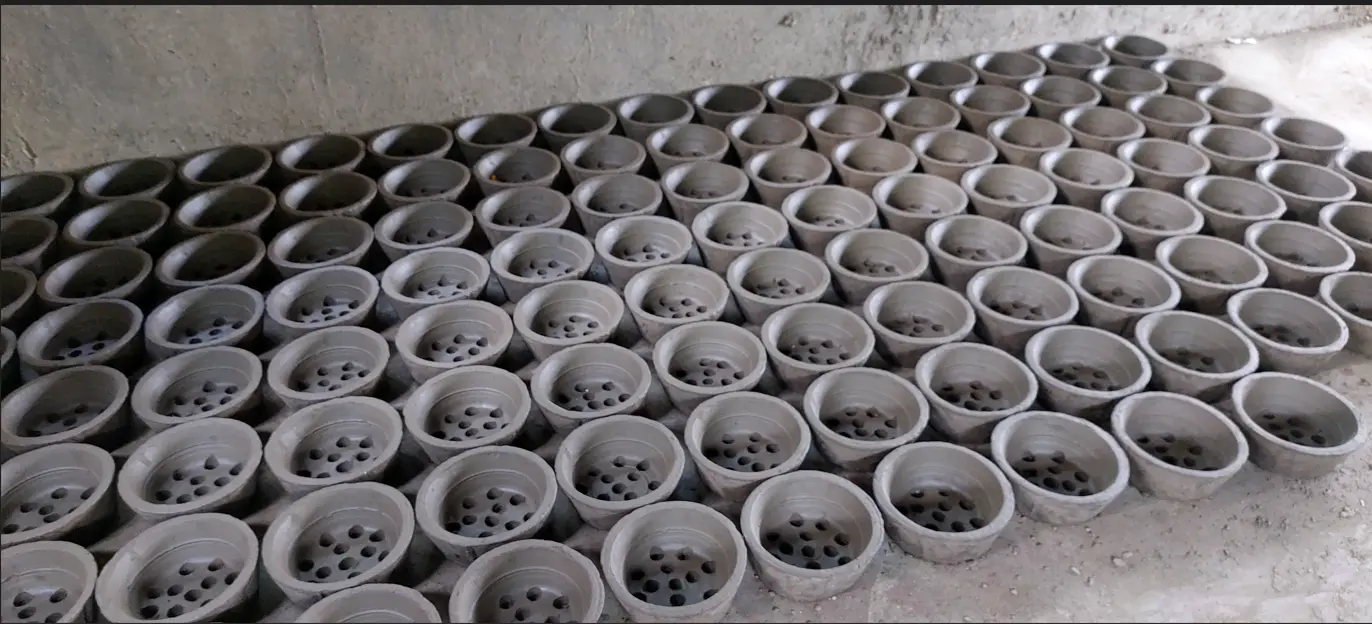
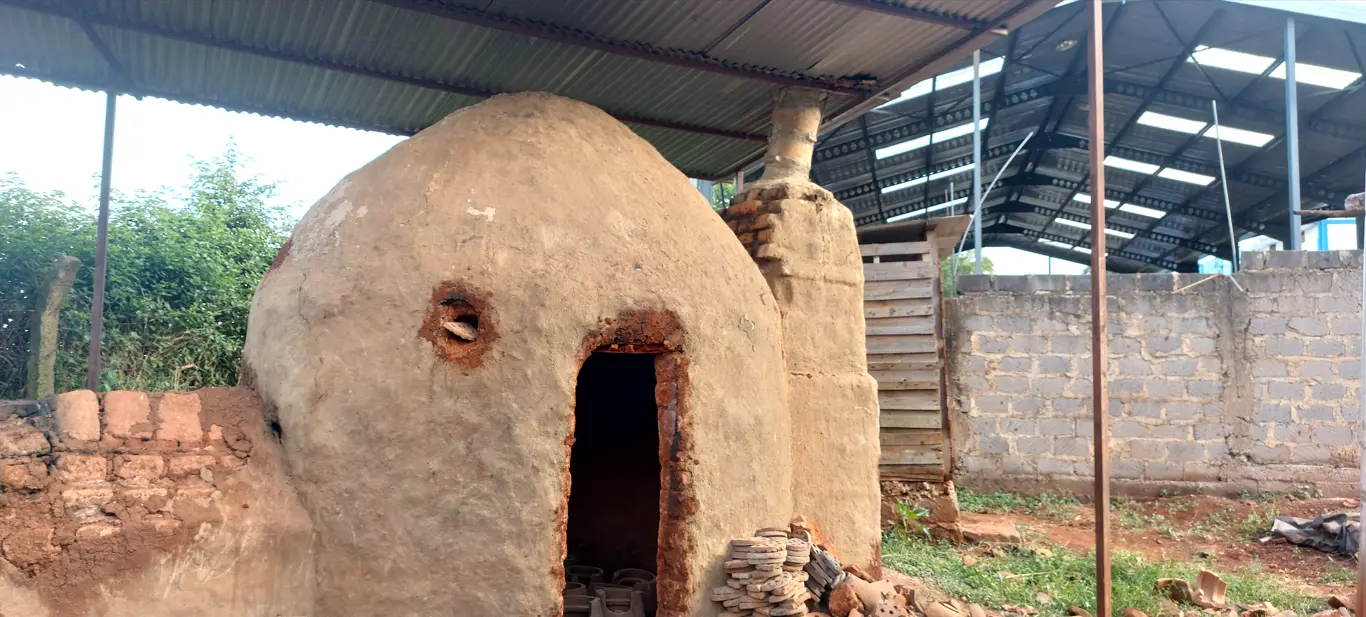
Photo showing the curing of cook stove liners a head of kiln firing
3. Intervention
The intervention employed a comprehensive value chain mapping and capacity-building approach designed to modernize and professionalize the ceramic cookstove industry. KIRDI, supported by ACTS through the gDIH program, led field assessments, interviews, and technical evaluations involving more than 30 stakeholder groups across mining, production, assembly, and marketing nodes . The methodological approach analyzed technologies in use, identified inefficiencies, and assessed training and equipment gaps.
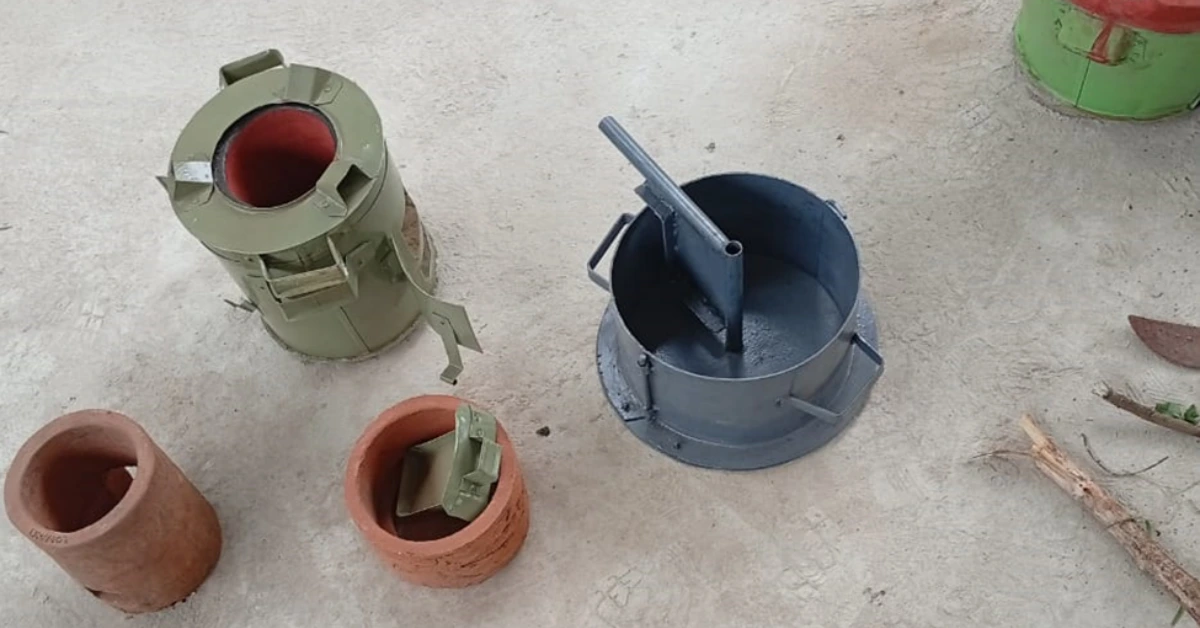
A key component of the intervention was the development of a tailored training curriculum, covering theoretical and practical modules on cookstove design, material science, fuel properties, kiln firing, occupational safety, circular economy principles, and compliance with Kenyan stove standards. Hands-on sessions equipped producers with skills in clay preparation, mould use, mechanical mixing, quality control, curing practices, and product finishing.
The project also emphasised environmental sustainability through innovations such as lightweighting liners using rice husks, sawdust, and diatomaceous earth; improving water management via rooftop harvesting; and promoting proper mine-site rehabilitation for agriculture or aquaculture reuse. Additionally, stakeholders were introduced to carbon market opportunities under the Climate Change (Carbon Markets) Regulations 2024, including the need for accurate baseline data, project design documentation, and compliance pathways for generating carbon credits.
Marketing and business development were integrated through guidance on pricing, branding, distribution strategies, and the use of gDIH’s digital platforms to widen market reach. The intervention also facilitated dialogue among artisans, miners, county officials, and innovators to build collaborative networks and lay the groundwork for cooperative structures that enhance bargaining power and collective innovation.
4. Impact
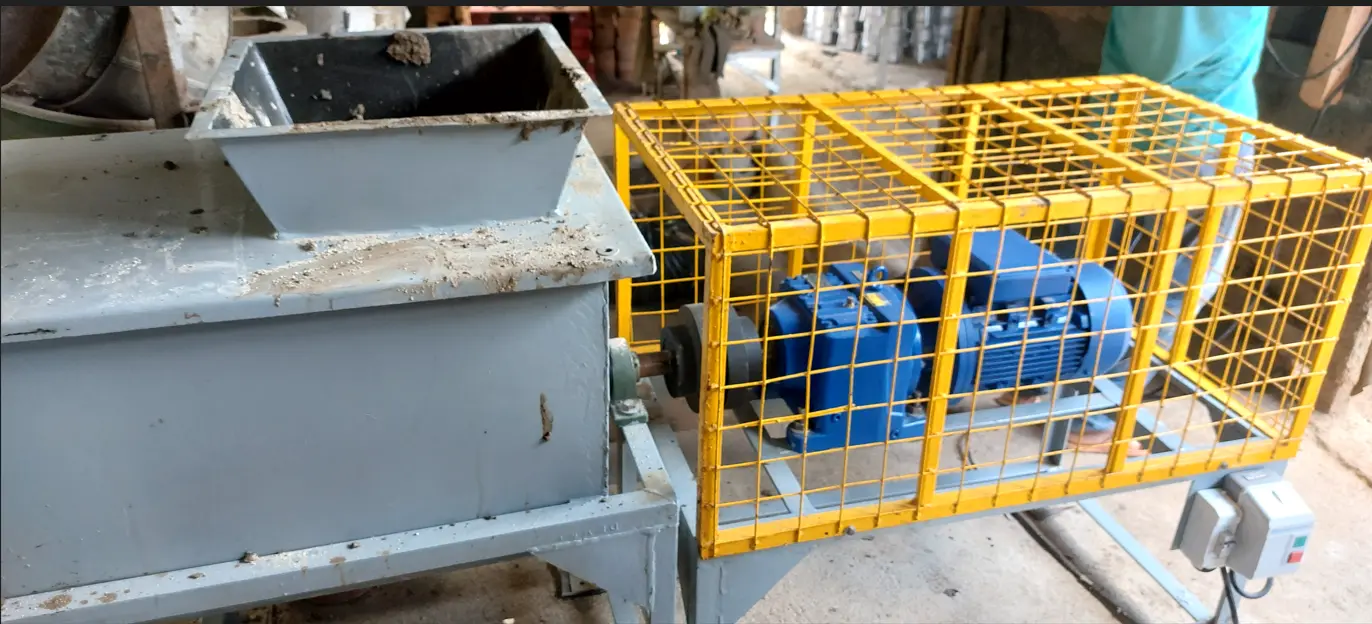
The intervention generated both tangible and strategic impacts across the ceramic cookstove ecosystem. At the production level, artisans gained enhanced technical skills in standardized clay preparation, mixing ratios, mould use, kiln operation, and liner curing, resulting in more consistent product quality and reduced rates of breakage, previously estimated at 10 liners per 550-kiln batch. The introduction of mechanical mixers and improved workflow layouts increased throughput efficiency and reduced labor intensity. Environmental improvements emerged from the adoption of waste-based additives, which reduced reliance on virgin clay and pottery sand while enhancing liner insulation and lowering thermal mass, key for achieving higher thermal efficiencies.
Awareness of circular economy practices promoted better waste handling, including reuse of green clay, recycling of metal offcuts, and innovative storage solutions that minimize damage. Water security in production improved with wider uptake of rooftop harvesting systems, addressing the water-intensive nature of liner manufacturing.
At the ecosystem level, the training strengthened stakeholder understanding of testing protocols, safety standards, and the regulatory expectations of Kenya’s cookstove standards. Producers also gained foundational knowledge required to participate in carbon markets, including baseline data tracking, GPS-linked monitoring, and reporting systems essential for carbon credit certification. This exposure positions producers to benefit financially from fuel-saving innovations and emission-reducing technologies.
Qualitatively, miners and producers reported increased confidence, better appreciation of environmental stewardship, and recognition of the economic potential of improved and light weighted stoves. Communities also benefited from knowledge on mine rehabilitation, with examples of abandoned pits converted into arrow-root farms and fishponds, reversing long-standing environmental hazards.
Institutionally, the intervention facilitated stronger linkages among KIRDI, county governments, artisans, and private innovators, fostering collaborative problem-solving and laying a foundation for ongoing innovation, research, and policy alignment that enhances the sector’s contribution to clean energy access and local livelihoods.
5. Conclusion
The value chain intervention significantly strengthened the ceramic cookstove sector in Murang’a and Nyeri Counties by addressing long-standing technological, environmental, and organizational gaps. Through targeted training, process standardization, and stakeholder engagement, the initiative enhanced product quality, improved worker safety, and promoted sustainable resource use. The introduction of circular economy practices and carbon market readiness positioned producers for long-term economic growth while supporting national clean-cooking goals. Key lessons include the importance of mechanisation, consistent quality control, and cooperative structures that amplify producer influence and innovation capacity. Sustaining these gains will require continued investment in laboratory testing, training, and technology transfer, alongside financial support for carbon project development and expanded marketing networks. Moving forward, fostering innovation teams, strengthening data systems, and promoting county-level policy support will be essential to scaling clean, efficient, and environmentally responsible ceramic cookstove production across Kenya.