
By Christine Ndiritu, Patience M. Ochieng and Peter Ongalo
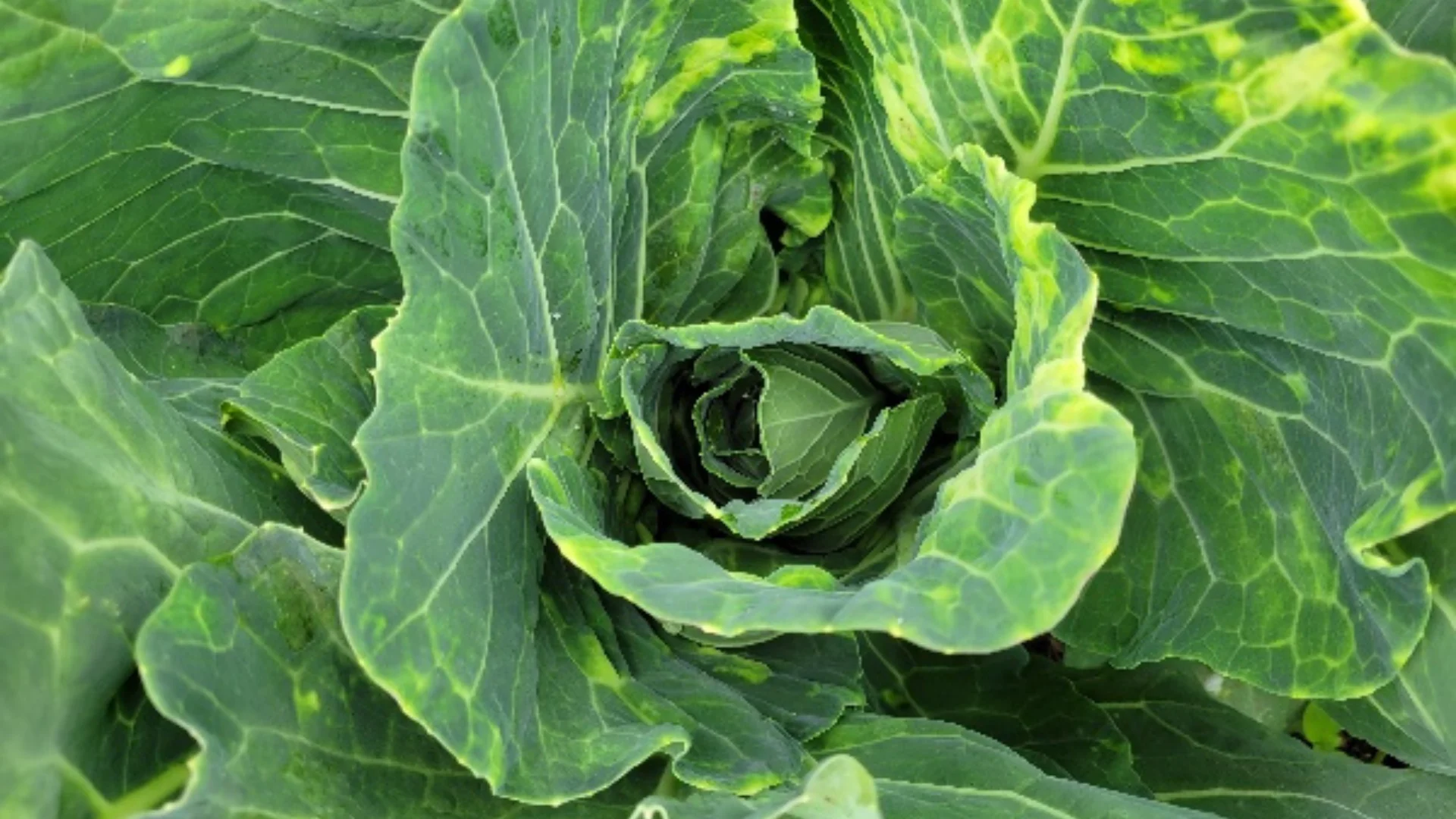
Farmers often begin each cropping season with optimism and high expectations. There is hope that, at harvest, their hard work will translate into good yields and meaningful profits. However, pests and diseases remain a constant and often frustrating reminder that farming does not always go according to plan. This reality became very clear during our farm demonstration activities with farmers in Lari, conducted through Farmer Field Schools (FFS) under the guidance of extension officers and horticultural experts.
Before the training began, a baseline assessment was conducted using randomly selected samples, and Maximum Residue Level (MRL) tests were conducted to evaluate the quality and safety of the produce. The results of this assessment strongly shaped the content of our pest and disease management trainings, highlighting the urgent need for safer and more sustainable approaches.
Early Warnings from the Nursery
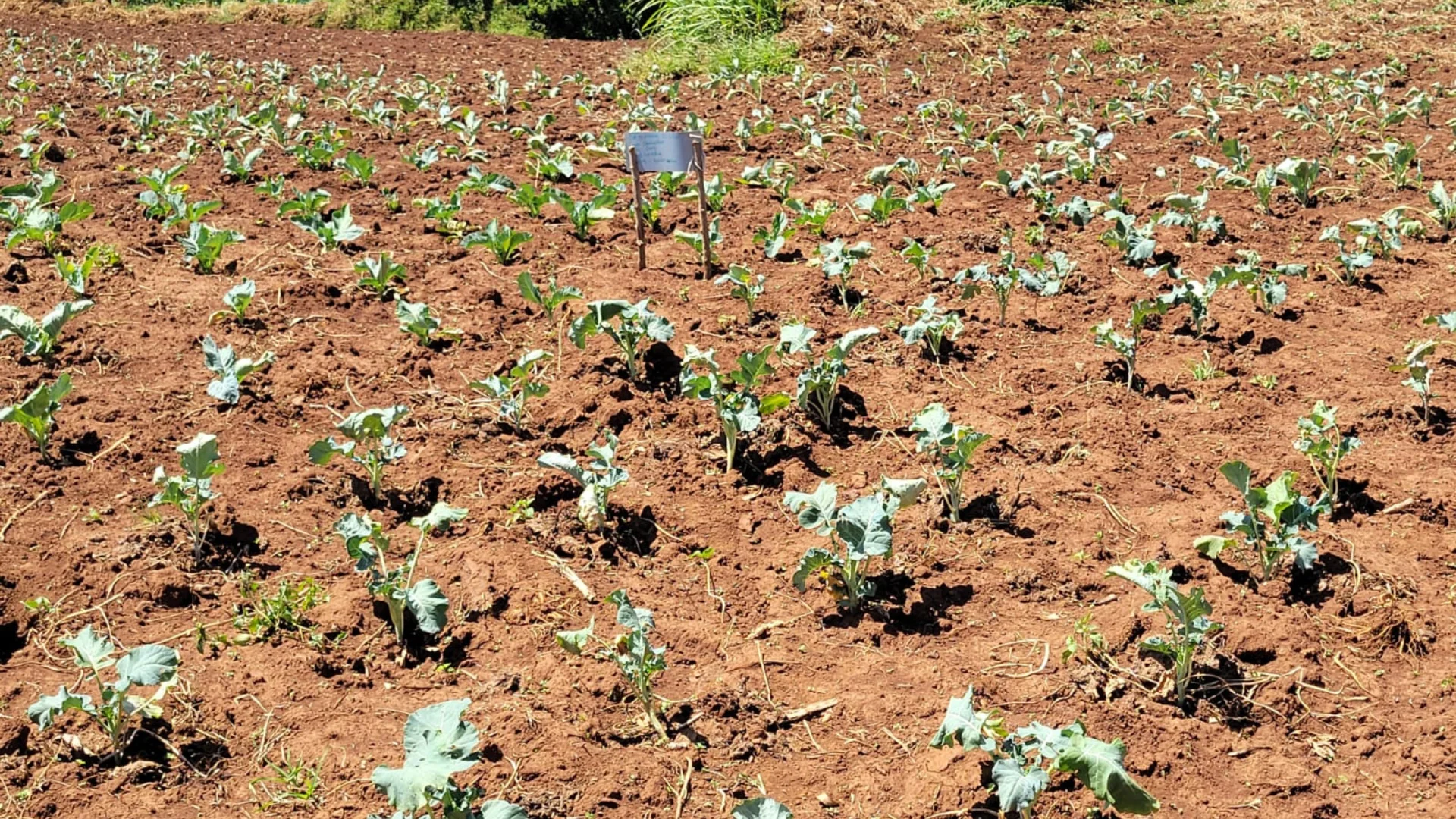
Challenges emerged as early as the nursery stage. About 7–14 days after planting, when seedlings began to emerge, we encountered one of the most destructive early-stage pests, the cutworm. In several plots, farmers confirmed that seeds had been planted correctly, and extension officers had witnessed the process. Yet, seedlings mysteriously disappeared.
The culprit was a small but highly destructive worm that feeds at night, chewing through stems at or just below the soil surface. By day, the cutworm curls up and hides 2–5 cm beneath the soil, under weeds, or around nursery trays, making it extremely difficult to detect. The damage appeared scattered, as the pest typically attacks seedlings in clusters rather than entire beds at once.
For many farmers, this was an eye-opening moment. The lead farmer exclaimed, ‘ Wow, I thought the cold had killed my seeds, so I talked to the extension officer, and he helped me diagnose the situation and realised it was cutworms. This realisation marked the beginning of a mindset shift: before going ahead and just spraying it, it is equally important to properly diagnose the problem and even scout for pests.
Field Challenges: When Pests and Diseases Team Up
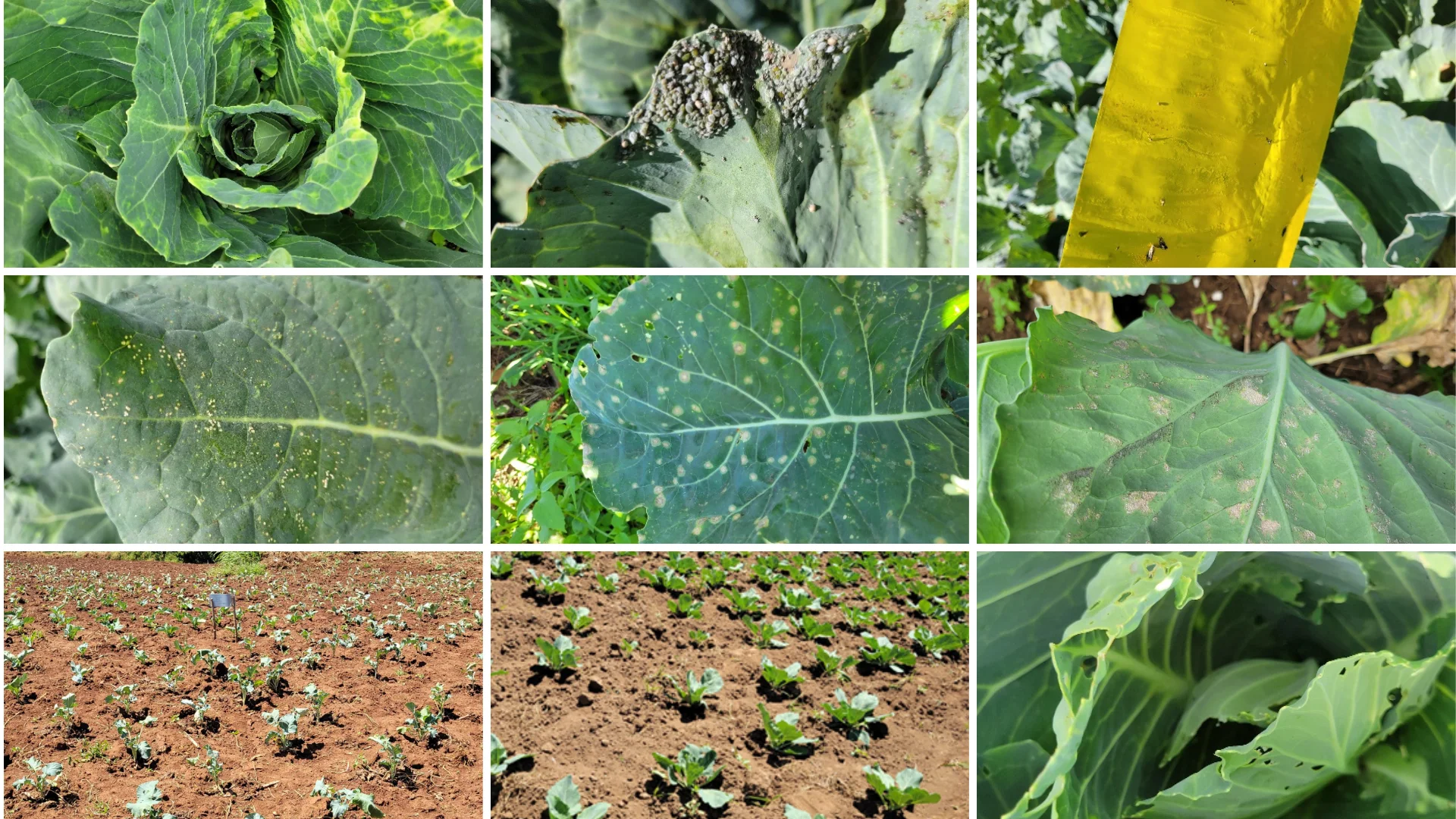
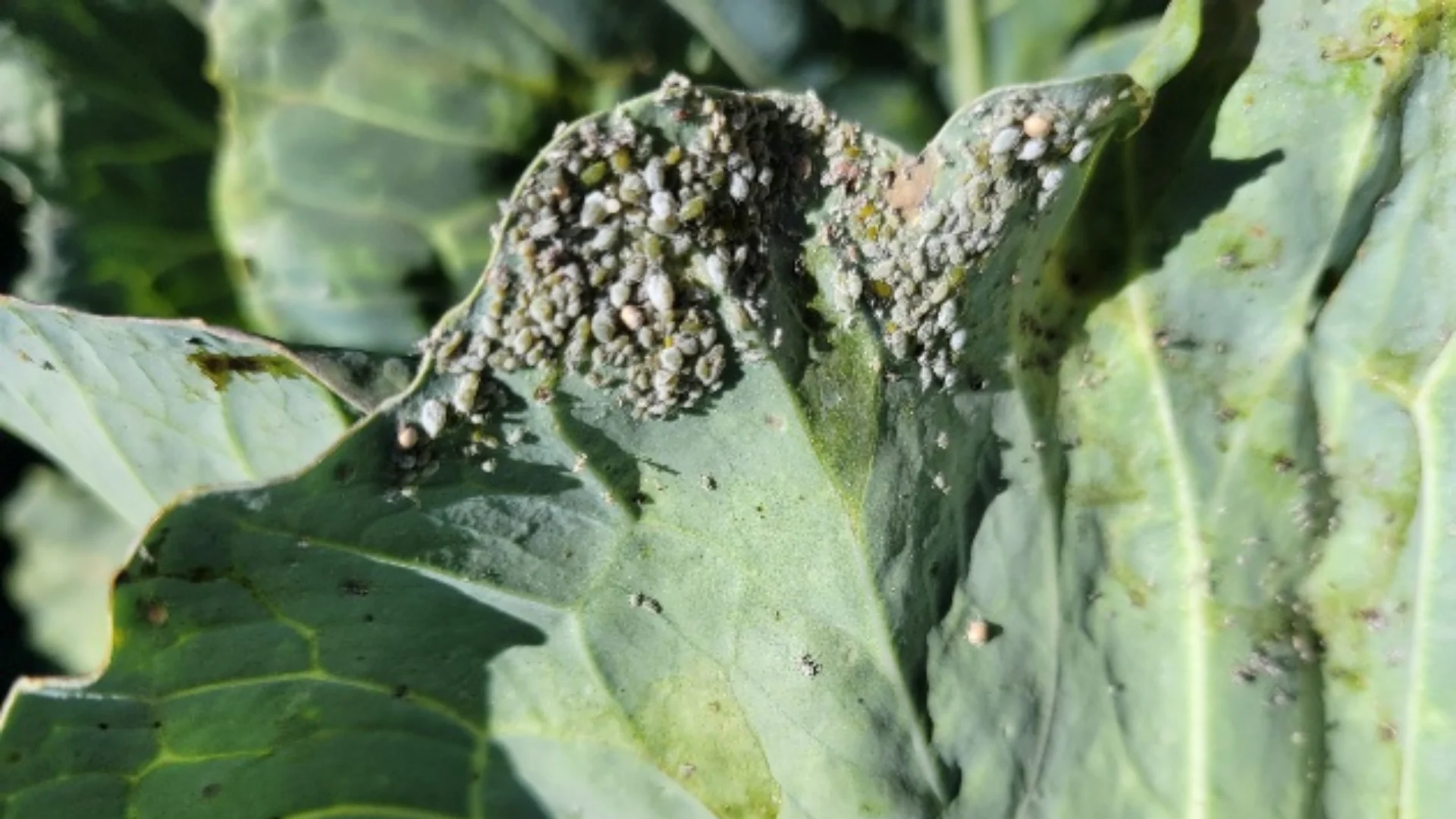
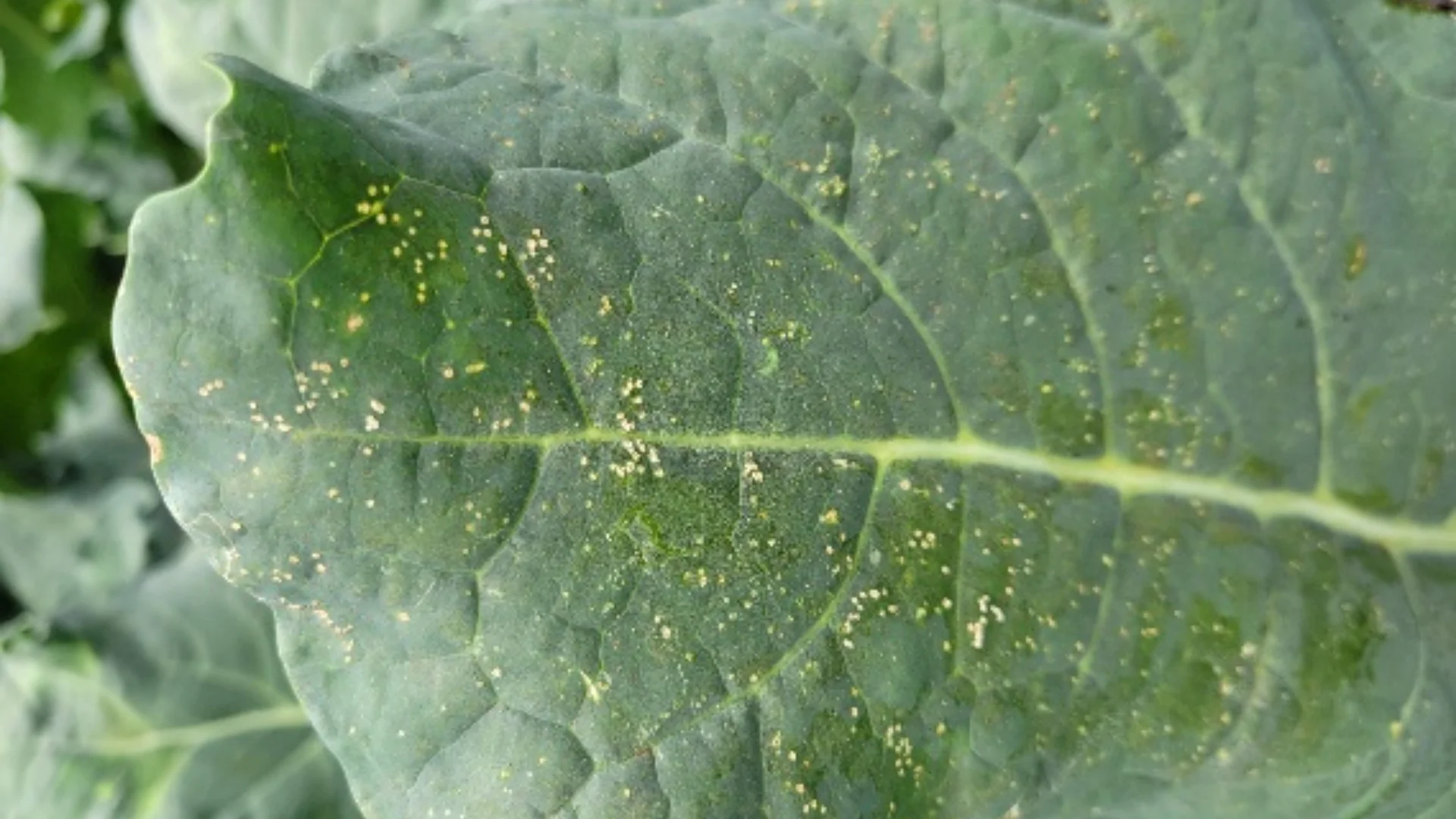
After transplanting, the crops faced a new wave of challenges in the main field. During the vegetative stage, which occurred in a relatively warm period, from the end of December to early February, pests such as Diamondback moth (DBM) larvae, aphids, thrips, whiteflies, and spider mites became prevalent. Warm conditions favour rapid pest reproduction, making this stage particularly risky.
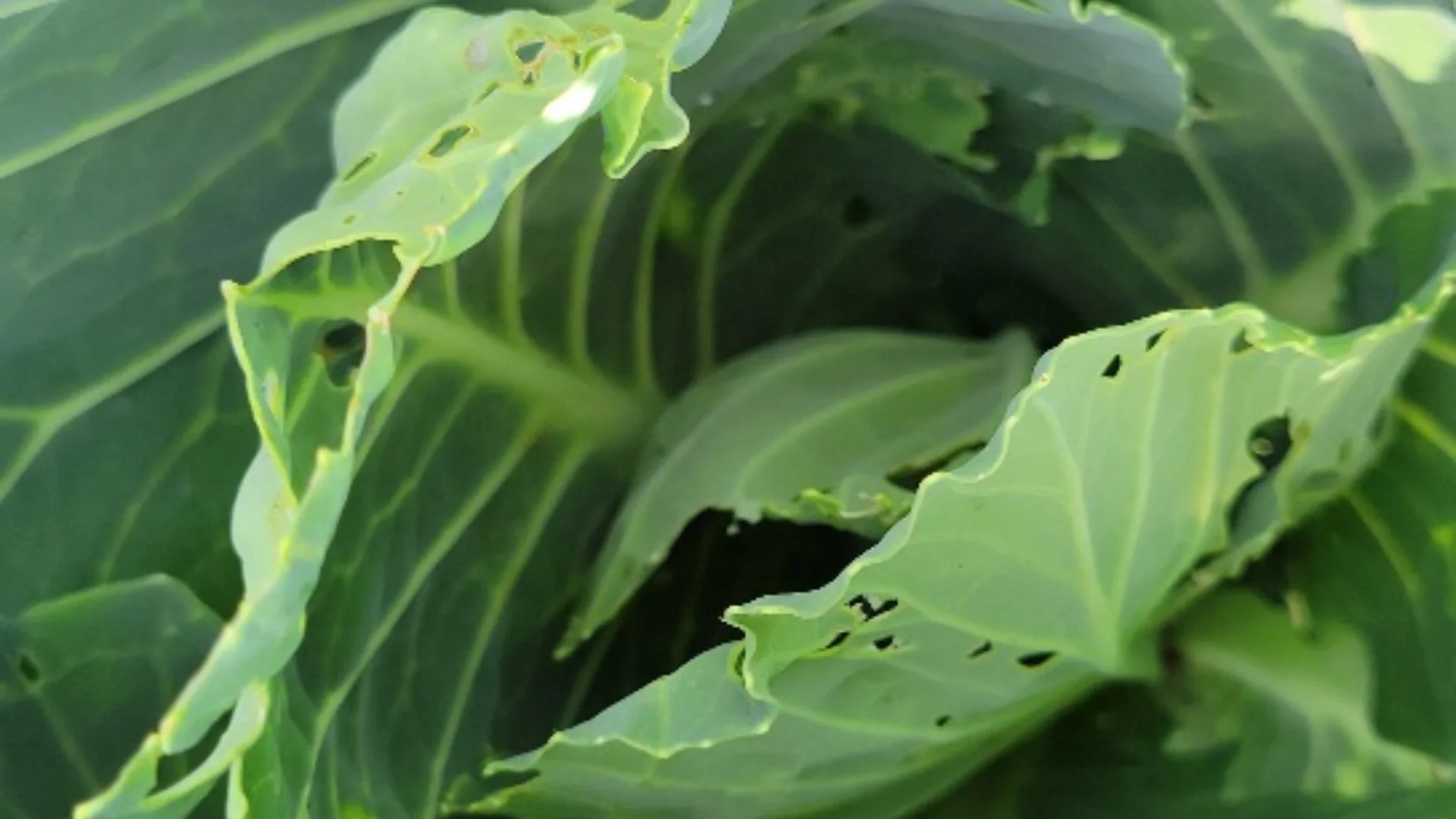
Aphids, beyond sucking plant sap, are dangerous vectors of viral diseases. Whiteflies and spider mites weaken plants by extracting sap and cell contents, whereas thrips damage crops by rasping and scraping leaf surfaces before sucking plant tissues. The diamondback moth larva was the most common pest on our brassicas, chewing through the leaves and causing significant damage. This combination of injuries weakens plant tissues and creates entry points for disease-causing pathogens.
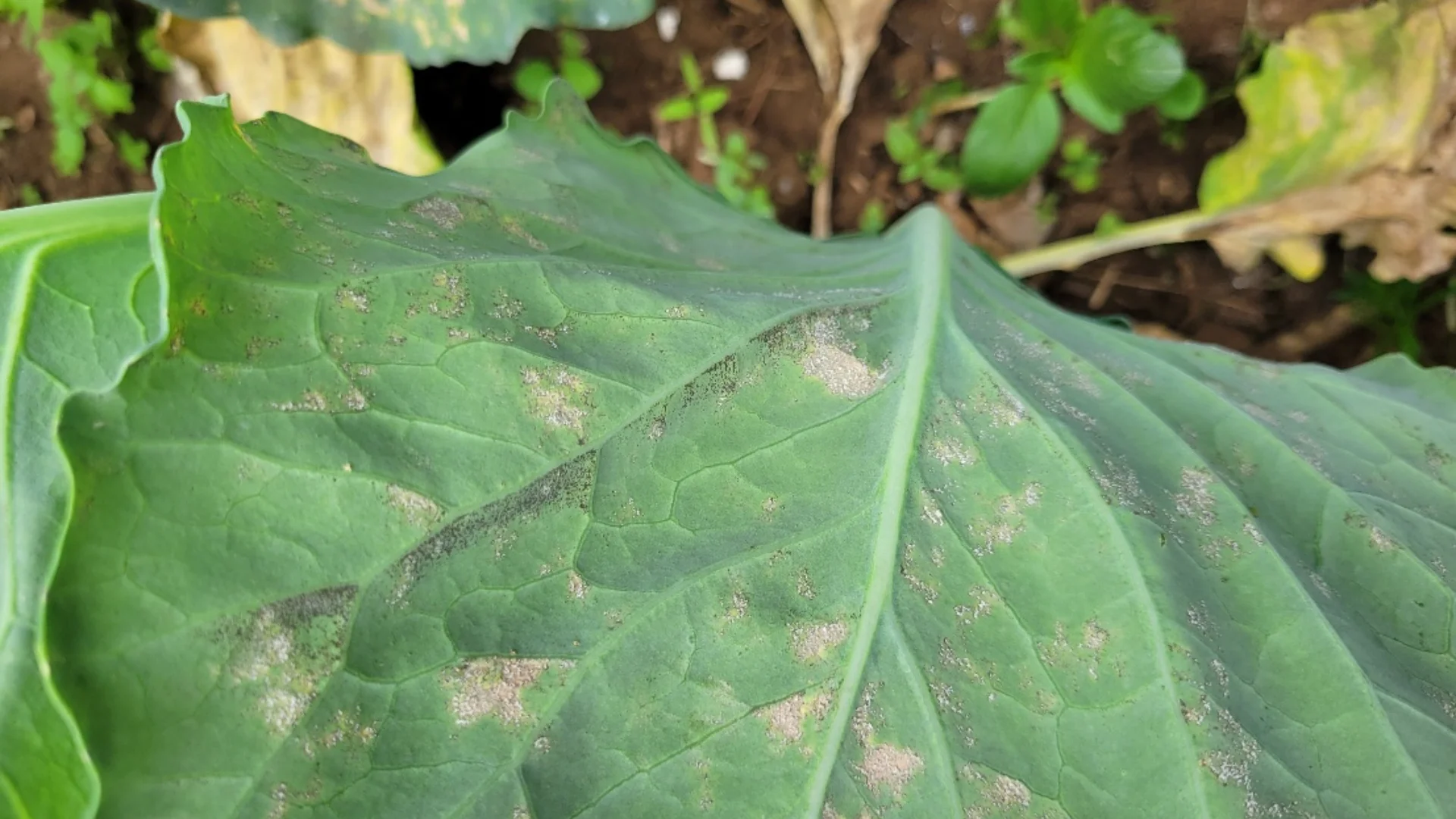
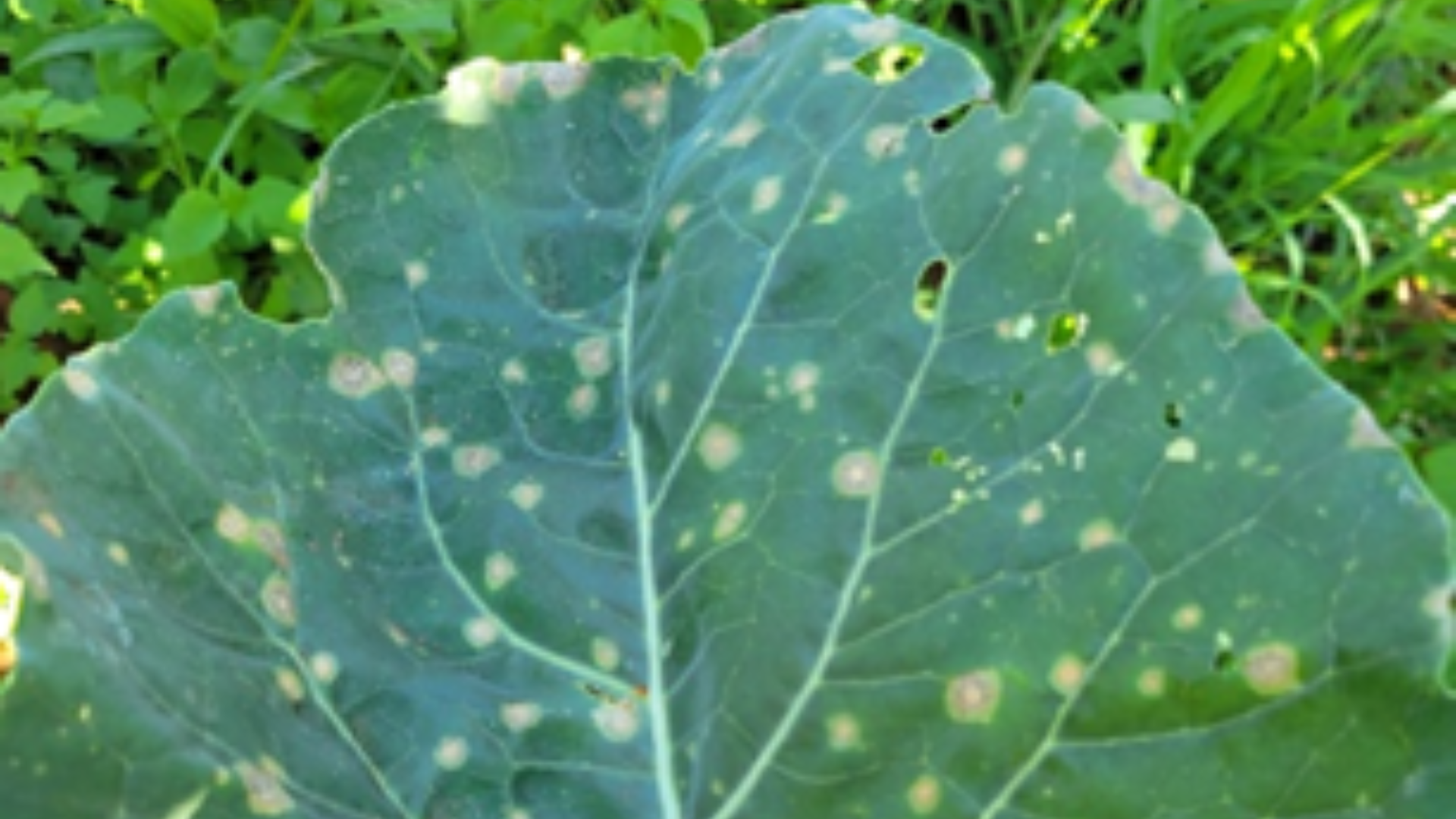
Once diseases set in, farmers are pushed to spend even more on chemicals, costs rise, the risk of residues increases, and frustration grows. This cycle was all too familiar to many participants; as pests appeared, diseases such as mosaic virus and Alternaria leaf spot soon followed. The cold conditions common in the area only worsened the situation, allowing diseases such as downy mildew to thrive.
Diseases
Pests
IPM control practice
Learning Integrated Pest Management (IPM)
To break this cycle, we adopted an Integrated Pest Management (IPM) approach. Farmers were trained to prioritise prevention and non-chemical control methods before resorting to pesticides.
Several innovative and practical strategies were demonstrated and adopted:
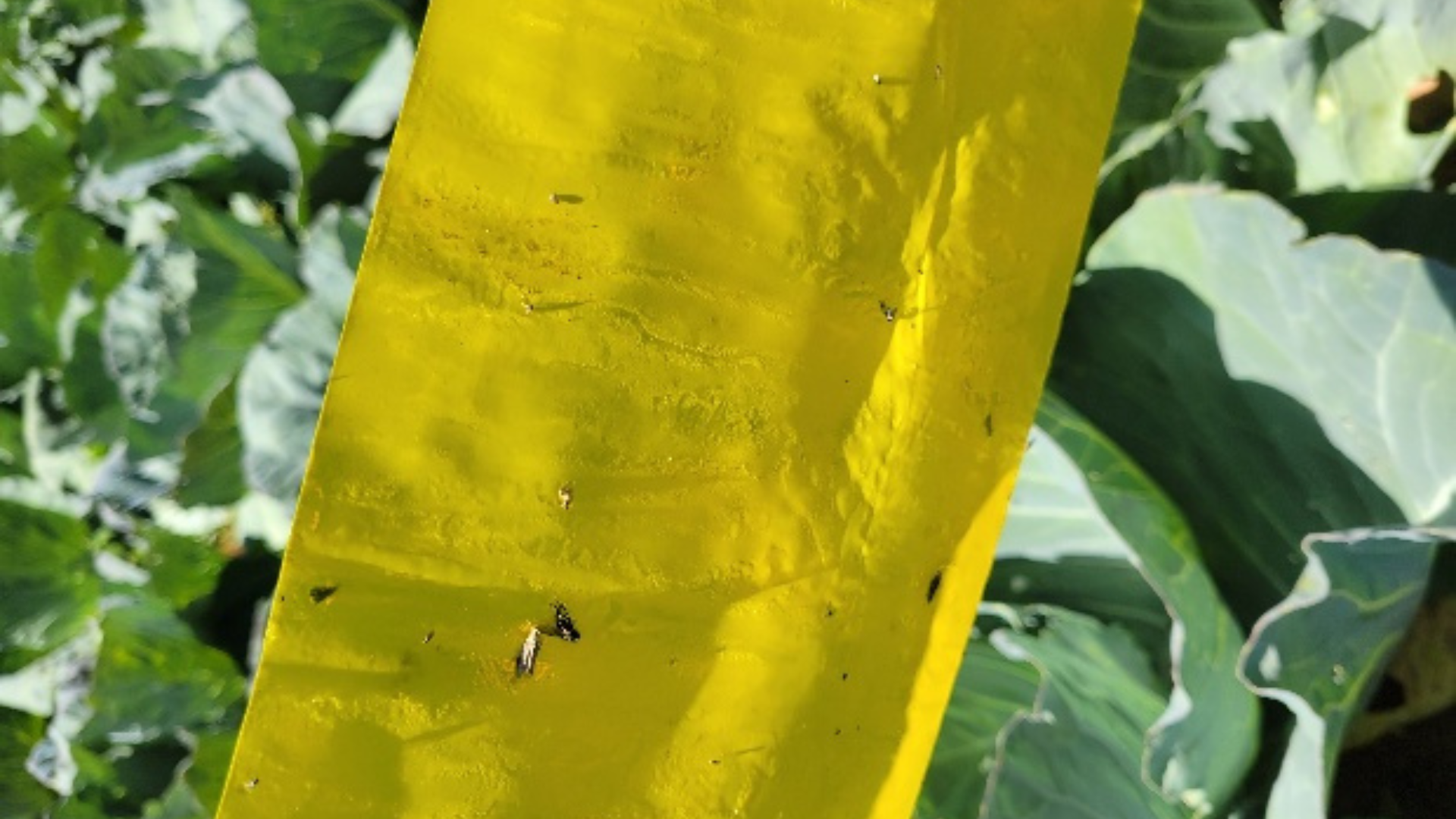
- Sticky traps were installed at strategic points within the plots to trap flying pests, significantly reducing their activity.
- Farm hygiene played a critical role. Clearing bushes and weeds around the plots helped eliminate alternative hosts for pests and disease pathogens.
- Roguing, the removal of heavily infested plants, helped prevent the spread of pests to healthier crops.
- Irrigation management, especially through sprinkler systems, was used to physically dislodge and reduce pest populations.
One farmer reflected after the training, “I had no idea that the bushes near the farm were harbouring some of the pests and disease pathogens, but this training has taught me that farm hygiene plays a big role in keeping pests and diseases away.”
Responsible Use of Chemicals as a Last Resort
In cases where pests and diseases proved stubborn, approved pesticides and fungicides were used strictly as a last resort. Farmers were guided on proper label instructions, correct dosages, and safe spraying intervals of 14–21 days. Emphasis was placed on minimising chemical use while maximising effectiveness.
A Path Toward Sustainable Productivity
Pests and diseases are more than just a nuisance; they are a hidden pandemic that silently erodes crop productivity and increases production costs for farmers. Our experience in Lari demonstrated that IPM offers a more sustainable, cost-effective, and environmentally friendly solution. By combining knowledge, observation, and practical, field-based learning, farmers not only protected their crops but also gained confidence and a sense of ownership in better farming practices.
“We learned that spraying is not the first solution, one of the lead farmers noted.
Most importantly, farmers understood that without scouting and prevention, chemicals alone would not solve the problem. In the tropics, pests and diseases are at home; they are here to stay. The real question is whether we choose sustainable and effective ways to manage them and keep farming viable.o create the conditions where farmers can learn from them.