
How SautiBOT Is Redefining Climate Adaptation
By Faith Kemunto & Ursulla Wandili
In Yala, Siaya County, a farmer notices something unusual. The rains have delayed again, but this time a new pest is spreading rapidly across nearby farms. She picks up her phone, opens WhatsApp, and reports the outbreak in Dholuo through SautiBOT, a multilingual AI-powered platform built to capture community climate experiences in real time. Within days, similar reports begin arriving from neighbouring villages. The system recognises the pattern and flags it, an early signal that can support faster response and smarter adaptation planning. This is the broader vision behind SautiBOT: turning scattered, lived observations into climate intelligence that decision-makers can act on.
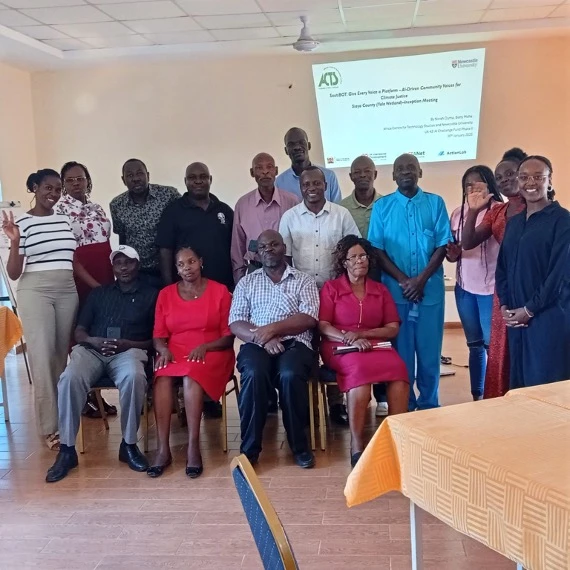
Figure 1: Stakeholders at the SautiBOT inception meeting in Siaya County (Yala)
Developed by the African Centre for Technology Studies (ACTS) in partnership with Newcastle University, with support from the Kenya–UK AI Challenge Fund, SautiBOT is designed to capture local and indigenous climate knowledge and convert it into actionable insights for adaptation and decision-making. It is being piloted in two very different landscapes, Yala in Siaya County and the coastal communities of Kwale County, where residents are using familiar digital tools, SMS and WhatsApp, to report environmental changes, climate risks, and adaptation experiences in real time, in Kiswahili and Dholuo.
Most climate technologies lean on scientific models, satellite imagery, or centralised weather infrastructure. SautiBOT starts from a different premise: that the people living on the frontlines of climate change already hold valuable environmental knowledge, built through years of observation and close interaction with their land, water, and seasons. That knowledge rarely makes it into formal climate intelligence systems or adaptation plans. SautiBOT exists to close that gap, building a bridge between communities, climate data, and the institutions that act on it.
Turning Community Knowledge into Climate Intelligence
SautiBOT works as a participatory climate intelligence platform. Community members share observations, on changing rainfall patterns, drought conditions, flooding, pest outbreaks, crop performance, or water scarcity, through SMS and WhatsApp, guided by a simple, menu-driven prompt that makes structured reporting easy even on a basic phone. Crucially, the platform meets people in the languages they speak, supporting Kiswahili and Dholuo so that participation is not limited by literacy in English.
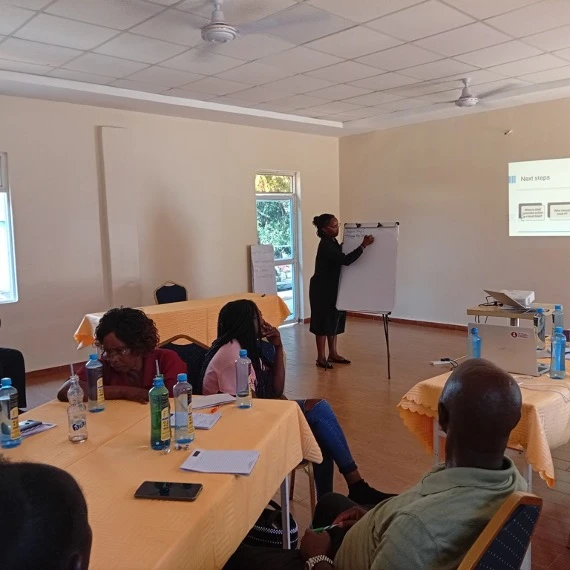
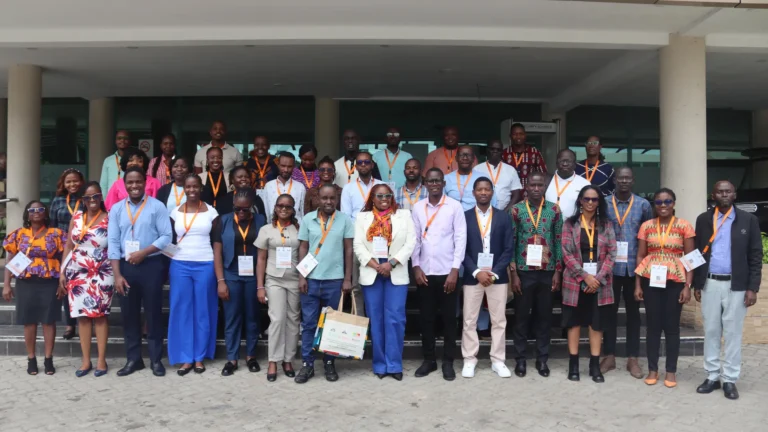
Figure 2: A facilitator walks participants through next steps and community engagement priorities during a SautiBOT working session.
Before any report reaches a dashboard, it passes through a validation step built into the system: trained Community Climate Champions ground-truth submissions, language reviewers check translation accuracy from Kiswahili and Dholuo into English, and each entry is either approved or rejected before it is published. This safeguard matters because it keeps the platform credible, ensuring that what reaches policymakers is accurate, contextually sound, and trustworthy.
Once validated, reports are processed using AI techniques that organise, categorise, and surface patterns across submissions. A handful of reports from scattered villages can, taken together, reveal an emerging climate risk long before it would otherwise be visible. These insights are visualised through dashboards and alerts that support local adaptation planning, early warning, and evidence-based decision-making, echoing findings from the Food and Agriculture Organization (FAO), which has pointed to the growing role of digital climate information systems and early warning tools in strengthening resilience among vulnerable communities.
What begins as a single community report can therefore become part of a much larger climate intelligence system, complementing global efforts such as those led by the World Meteorological Organization (WMO) to build people-centred early warning systems for climate risks. Repeated reports of declining water availability may point to worsening drought stress in a region. A rise in conversations about pests or crop disease may signal shifting ecological conditions tied to changing temperature or rainfall. Observations about shifting planting seasons or drying wetlands may reveal impacts that conventional monitoring would miss entirely.
Centering Indigenous and Local Knowledge
One of the most transformative things about SautiBOT is how it treats indigenous and local knowledge, not as anecdote, but as evidence. In Kwale County, for instance, elderly residents hold deep historical knowledge of weather and seasonal patterns; fisherfolk have adjusted their schedules around shifting tides, fish movement, and wind; seaweed farmers have learned to read wind direction and rising water temperatures as warning signs of “ice disease” and have relocated farms to deeper, cooler waters in response. This kind of knowledge is passed down through generations and quietly informs how communities predict seasons, manage water, protect ecosystems, and adapt to uncertainty. Yet it is rarely integrated into formal climate governance.
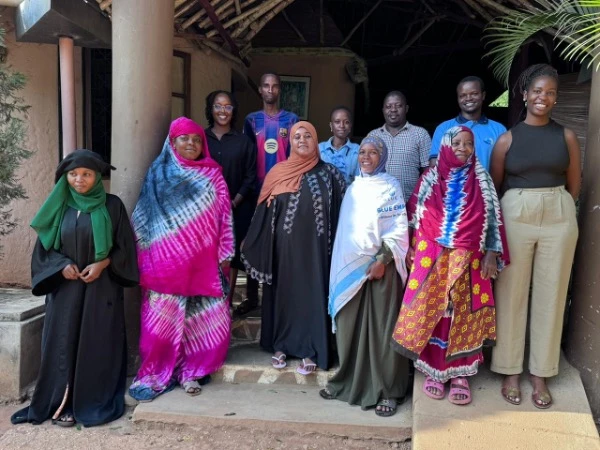
Figure 3:Community members and the SautiBOT team in Kwale County, home to fisherfolk, seaweed farmers, and elders whose climate knowledge anchors the pilot.
SautiBOT helps correct that imbalance by building a system where community experience is not just heard, but documented, analysed, and translated into evidence that can inform policy and adaptation strategy. This reflects a growing global consensus, including within the IPCC Sixth Assessment Report, that effective climate adaptation depends on integrating scientific knowledge with local and indigenous knowledge systems. Communities stop being framed only as beneficiaries of climate interventions designed elsewhere. They become active contributors to the climate intelligence itself, and in Kwale, stakeholders were explicit about why this matters: knowledge holders such as elders, fisherfolk, and seaweed farmers possess lived, experience-based intelligence that almost never reaches the institutions, among them the Kenya Marine and Fisheries Research Institute, the Kenya Meteorological Department, and county fisheries and trade departments, that ultimately shape policy and response.
Beyond Agriculture: A Broader Climate Adaptation Tool
Agriculture is an important entry point for the platform, but SautiBOT was never designed as a farming advisory tool alone. In the pilot regions, community reports have surfaced experiences ranging from crop failure and unpredictable rainfall to pest outbreaks and disrupted fishing patterns. Taken together, these insights can inform adaptation planning well beyond the farm, supporting water resource management, disaster preparedness, ecosystem conservation, and local governance responses. The ability to collect real-time information directly from communities opens the door to faster, more context-specific interventions, particularly in regions where formal climate monitoring infrastructure remains limited.
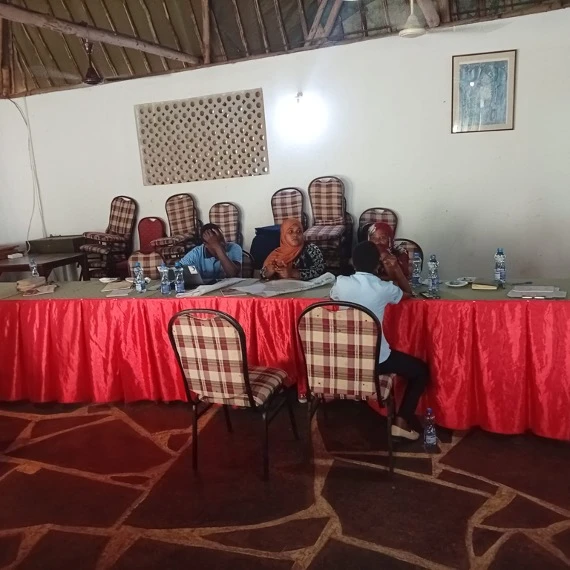
Figure 4: Participants gather for a SautiBOT stakeholder session in Kwale County
Building Inclusive Climate Technology
Climate vulnerability tends to be highest in the communities with the least access to digital infrastructure and climate information. SautiBOT confronts this directly through its design choices: it runs on mobile platforms people already use, and it speaks the languages they already speak. By lowering these technical and linguistic barriers, the system opens the door to communities that climate technology has historically left out, including women, who in Kenya contribute more than 70 percent of agricultural labour yet are rarely consulted in how climate data is gathered, and youth, elders, fisherfolk, and persons with disabilities, all of whom are explicitly part of SautiBOT’s target user base.
This inclusive design is not a nice-to-have. Climate adaptation cannot succeed if the people most affected by climate change are excluded from the systems built to respond to it. SautiBOT is, in that sense, more than a technology platform. It is a shift toward community-centred climate intelligence, one in which adaptation is shaped not only by scientific models, but by the voices, experience, and knowledge of the people living the changes day to day.
Conclusion
As climate risks intensify globally, there is growing recognition that effective adaptation needs more than top-down data systems. Communities on the frontlines of climate change hold knowledge that can strengthen resilience, if it is properly captured and fed into decision-making. Through its multilingual, AI-powered approach, SautiBOT shows how community voices, indigenous knowledge, and digital technology can combine to build a more inclusive and responsive climate intelligence system.
In places like Yala and Kwale, climate intelligence is no longer generated only by satellites or research institutions. It is also emerging directly from communities themselves, through everyday observations, lived experience, and knowledge passed down across generations. And in that shift lies the possibility of a more grounded, participatory, and human-centred future for climate adaptation.