
By Peter Ongalo, Communications and Outreach Officer, African Centre for Technology Studies (ACTS)
Kinale doesn’t wait for the sun.
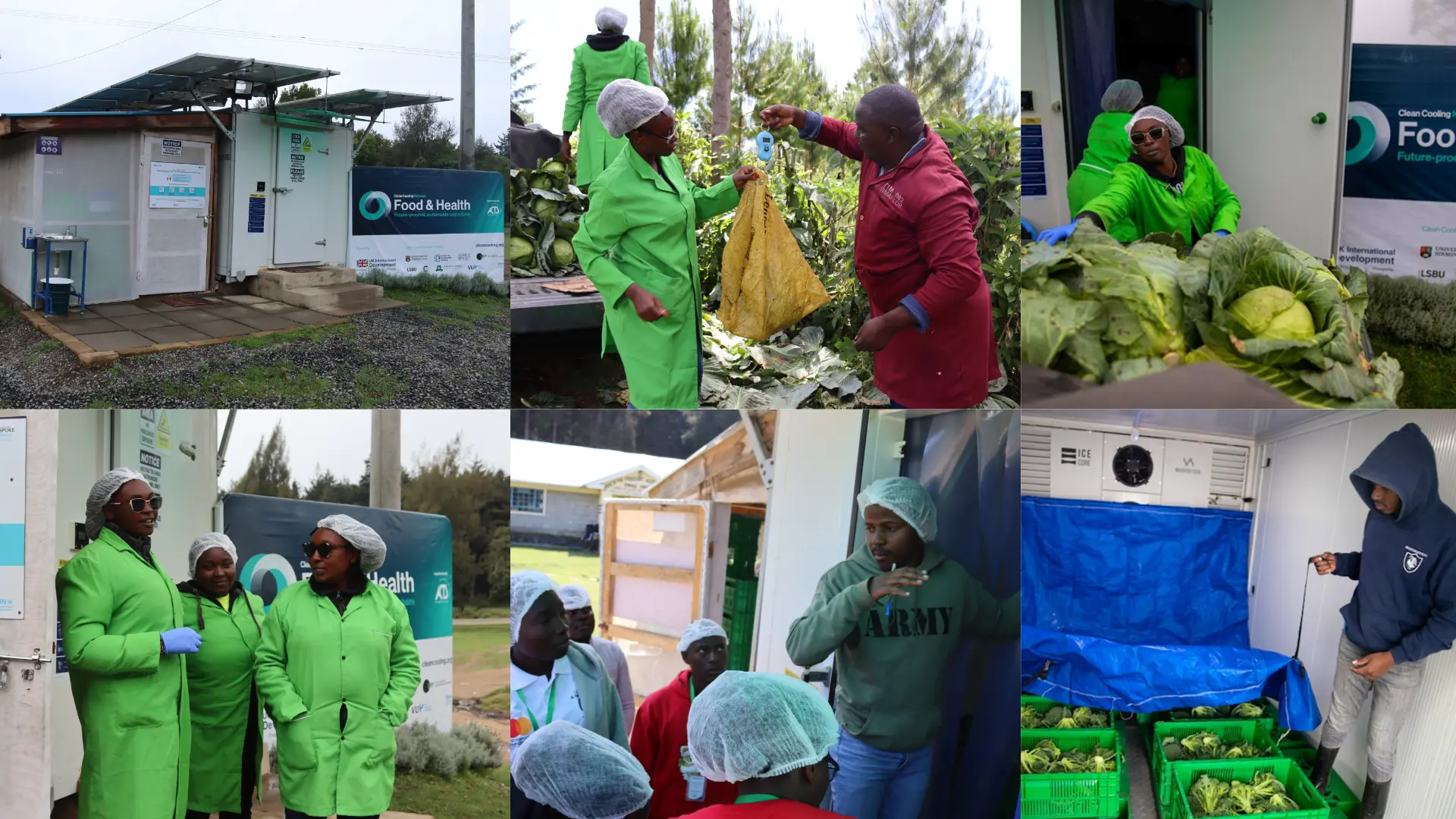
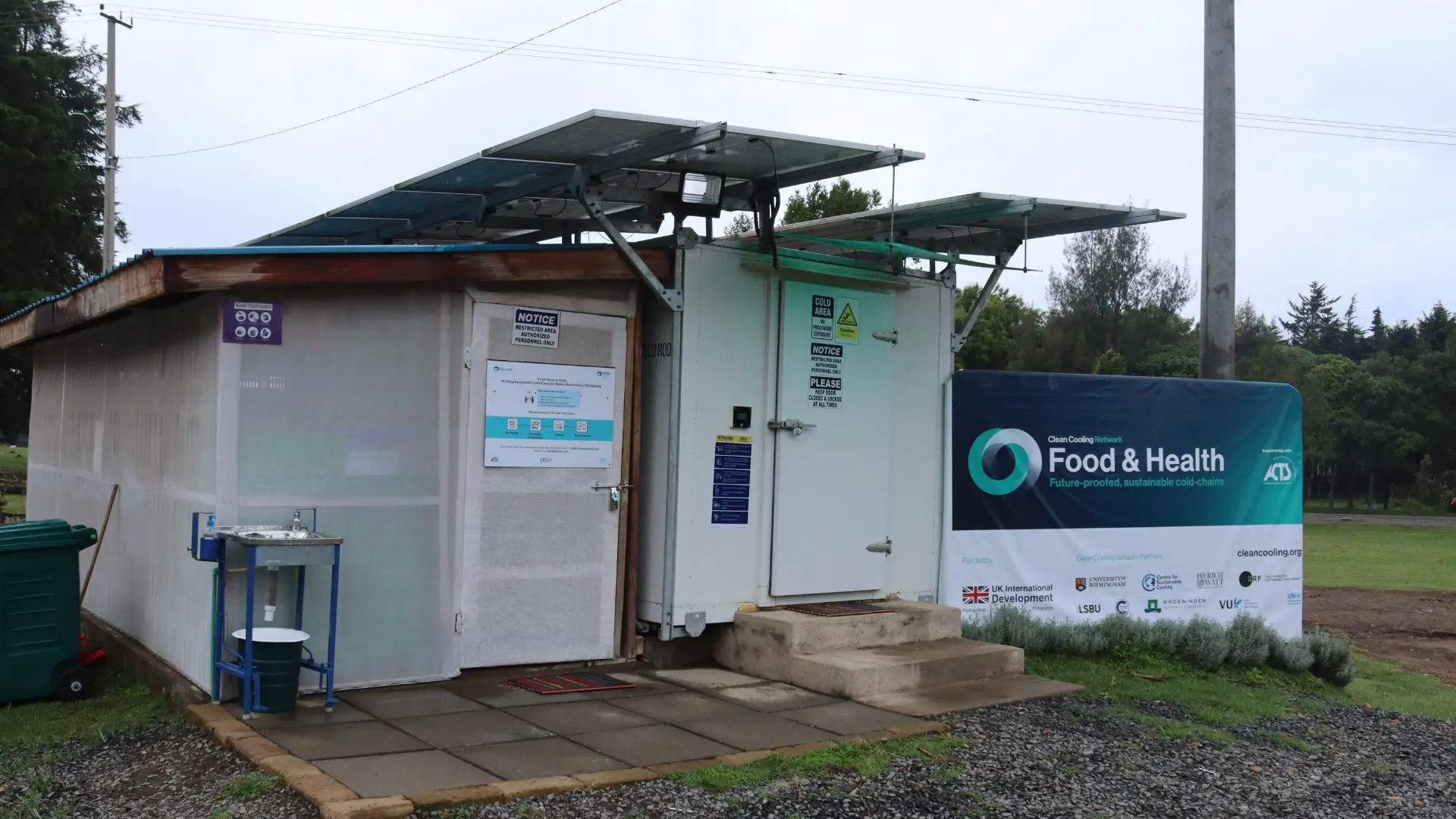
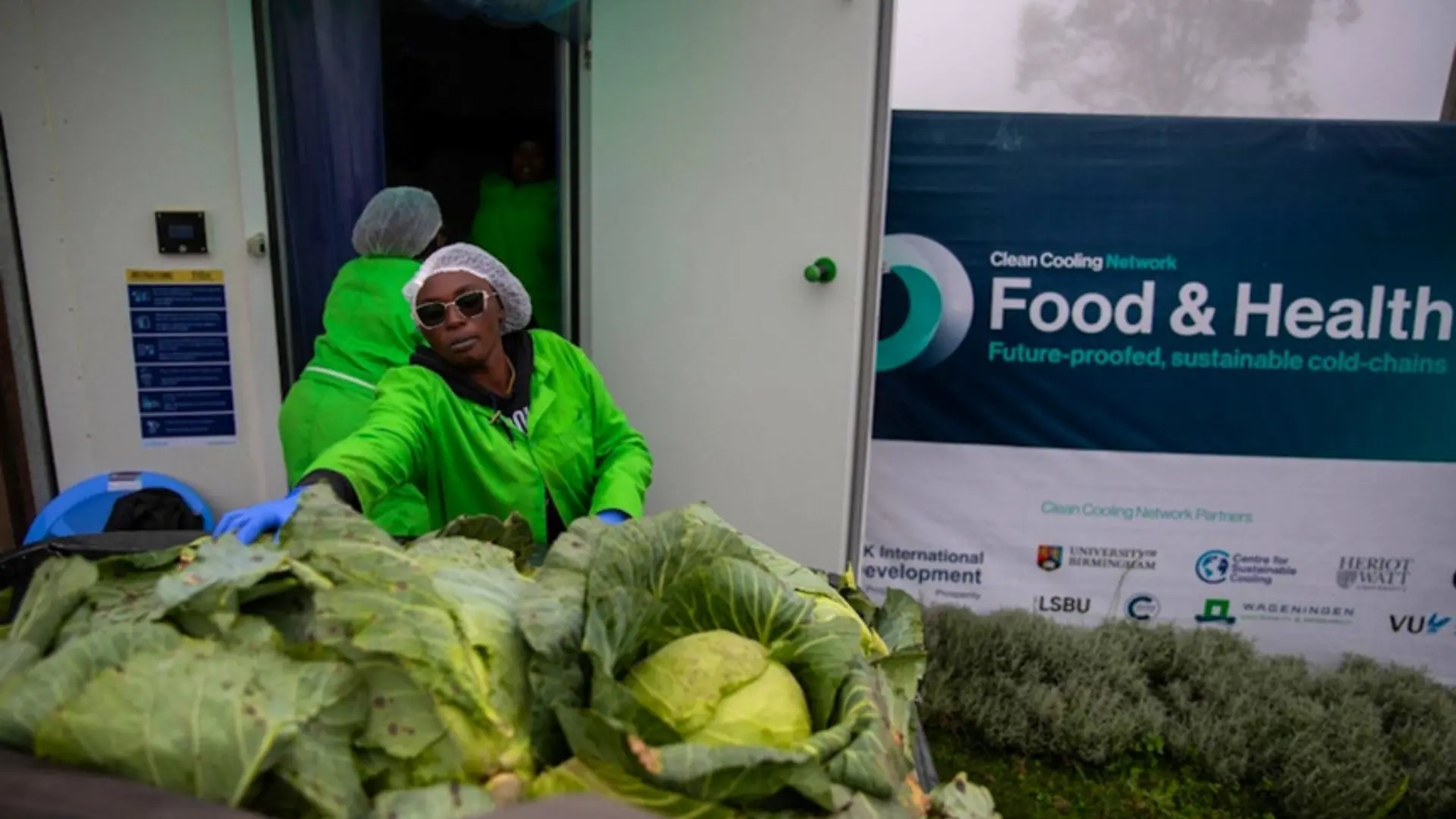
By the time daylight reaches the ridges of Lari, the team at the Kinale Aggregation Centre in Kiambu County has already been working for a while — sorting produce, checking crates, logging numbers, keeping the cold room running. At the centre of it all sits a solar-powered cold room. It doesn’t look like much from the outside, but it’s changed how this community works.
That cold room is the first real piece of what will become a full Community Cooling Hub (CCH), built under Phase 1 of the ACES/SPOKE programme. The idea is simple to say and hard to do: get cold-chain thinking into how communities grow, harvest and sell food, and back it with the training, business models and systems to make it last.
I spent a day at the centre — mostly just watching, asking questions, and getting out of people’s way. What I saw was less a demonstration project and more a community quietly rewriting its relationship with markets, with postharvest loss, and with the idea that technology could actually work for them.
The Morning Starts on the Phone
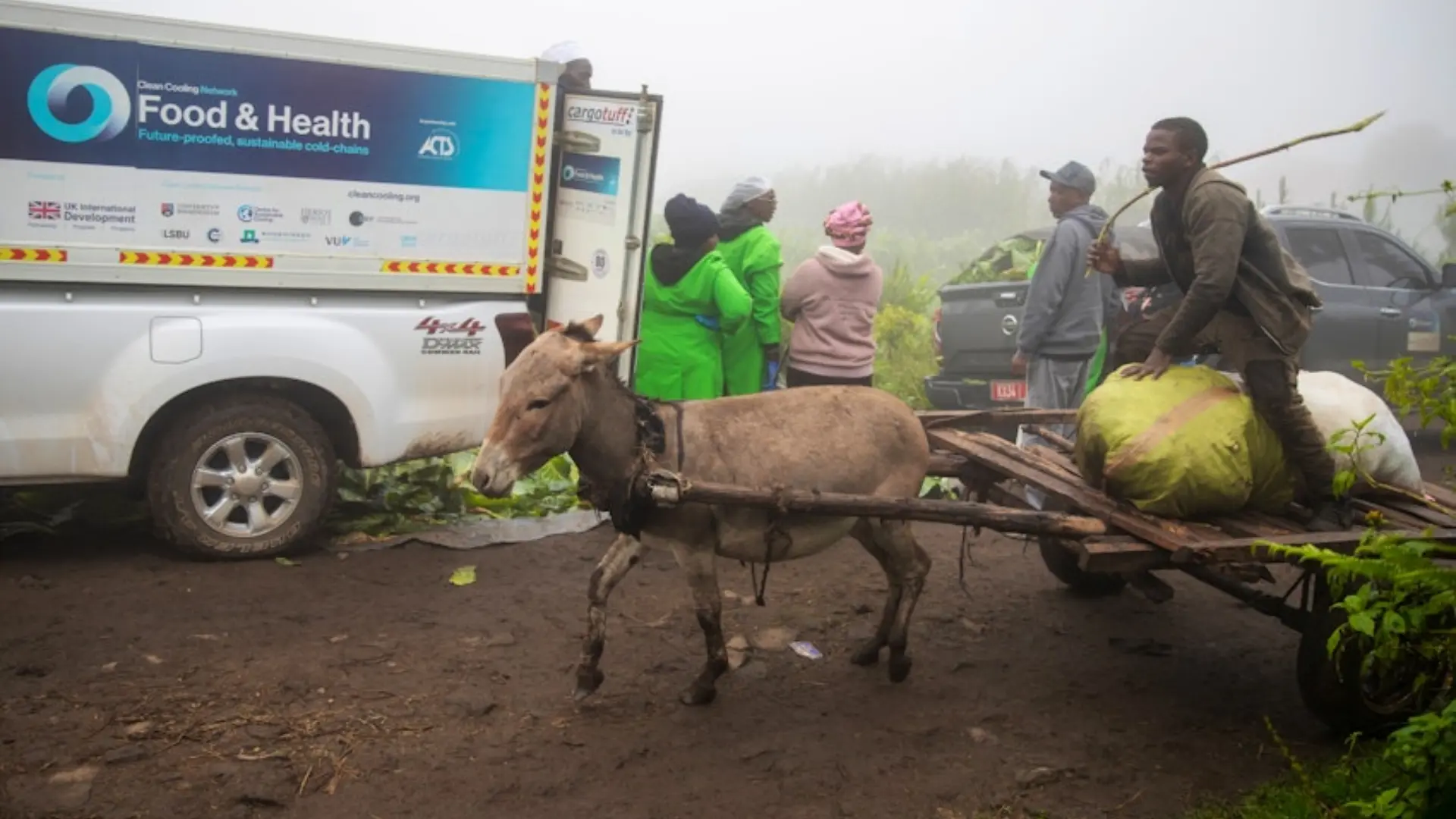
At 8:00 a.m., Joyce Njoki is already on a call. Joyce sorts produce at the centre, and her mornings begin before she even arrives.
“Before 8, I confirm whether yesterday’s order still stands. Then I call the driver and the farmer, so harvesting can start on time.”
It sounds minor. It isn’t. A cold-chain system lives or dies on timing — one missed call, one late start, and the quality of the whole day’s produce can slip. Joyce’s job, before anything else, is to make sure nobody is caught off guard.
When she gets to the centre, there’s no easing in. On her duty weeks, she starts by sweeping the sorting area and setting out crates. Then the driver pulls up.
“I check that we have enough crates in the pickup. If we do, we get in and head to the farm.”
Sorting Where the Harvest Happens
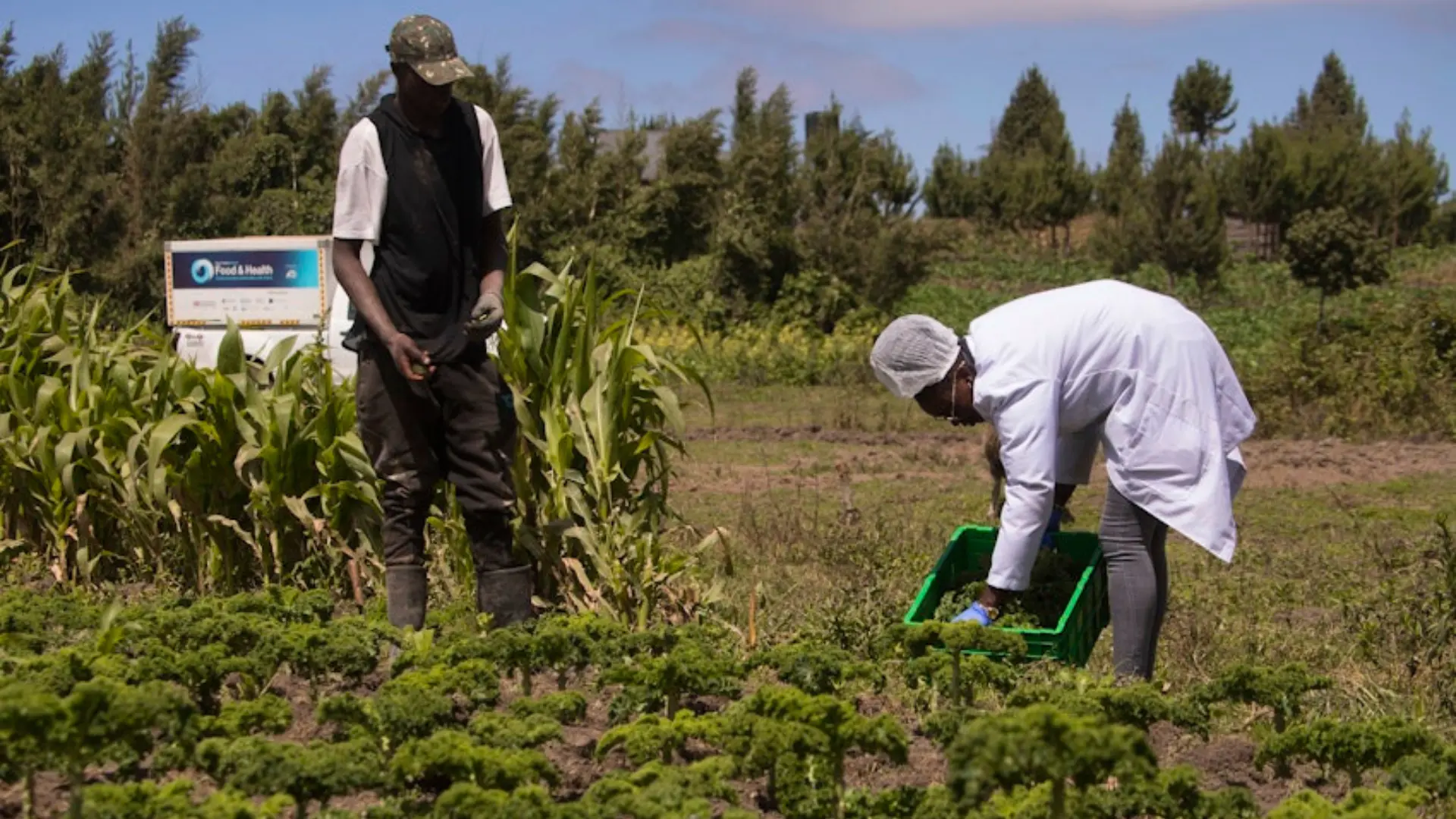
At the farm, the harvest is already done — that timing is deliberate, one of the lessons carried over from Phase 1. Farmers are trained to pick early, keep produce out of direct sun, and get it under shade as quickly as possible.
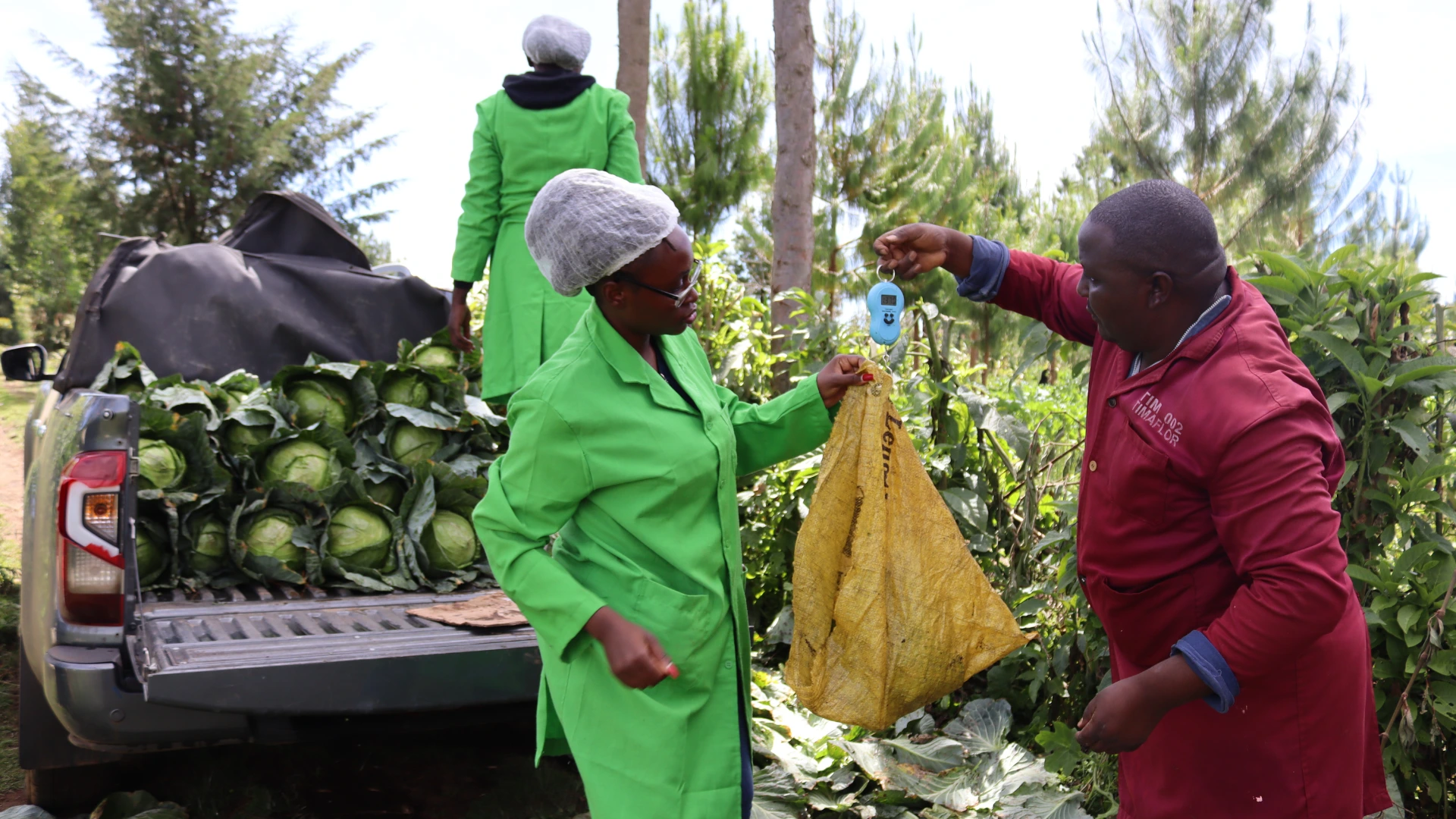
Joyce and her colleagues fall into a routine that clearly isn’t their first time doing this: sort out anything damaged, overgrown or undersized, pack the crates to the buyer’s spec, then weigh everything so farmers can see exactly what they’re being paid for.
It looks like sorting. It’s really about protecting value — every minute produce spends out of the heat is a minute added back to its shelf life.
“Once we’ve packed and weighed, we go straight to the market. No need to come back to the centre — the sorting’s already done at the farm.”
That one change — sorting at the farm instead of back at the centre — is one of the small efficiencies built into the SPOKE model. It cuts out a whole round of handling, and with it, fuel, time and labour.
At the Market
By the time they reach the market, the buyer is already there, checking size, firmness, freshness and cleanliness against what was agreed earlier. Joyce stays close, watching the details.
“They weigh and record what they’re picking up. We record the same numbers for the invoice.”
It’s unglamorous work, but it’s the backbone of trust between farmers and buyers. Getting the paperwork right, every time, is part of what the SPOKE model has been quietly teaching across these communities — turning informal trading relationships into something closer to a proper business.
With the produce delivered and the numbers matching, Joyce’s morning is done.
Inside the Cold Room with Brian
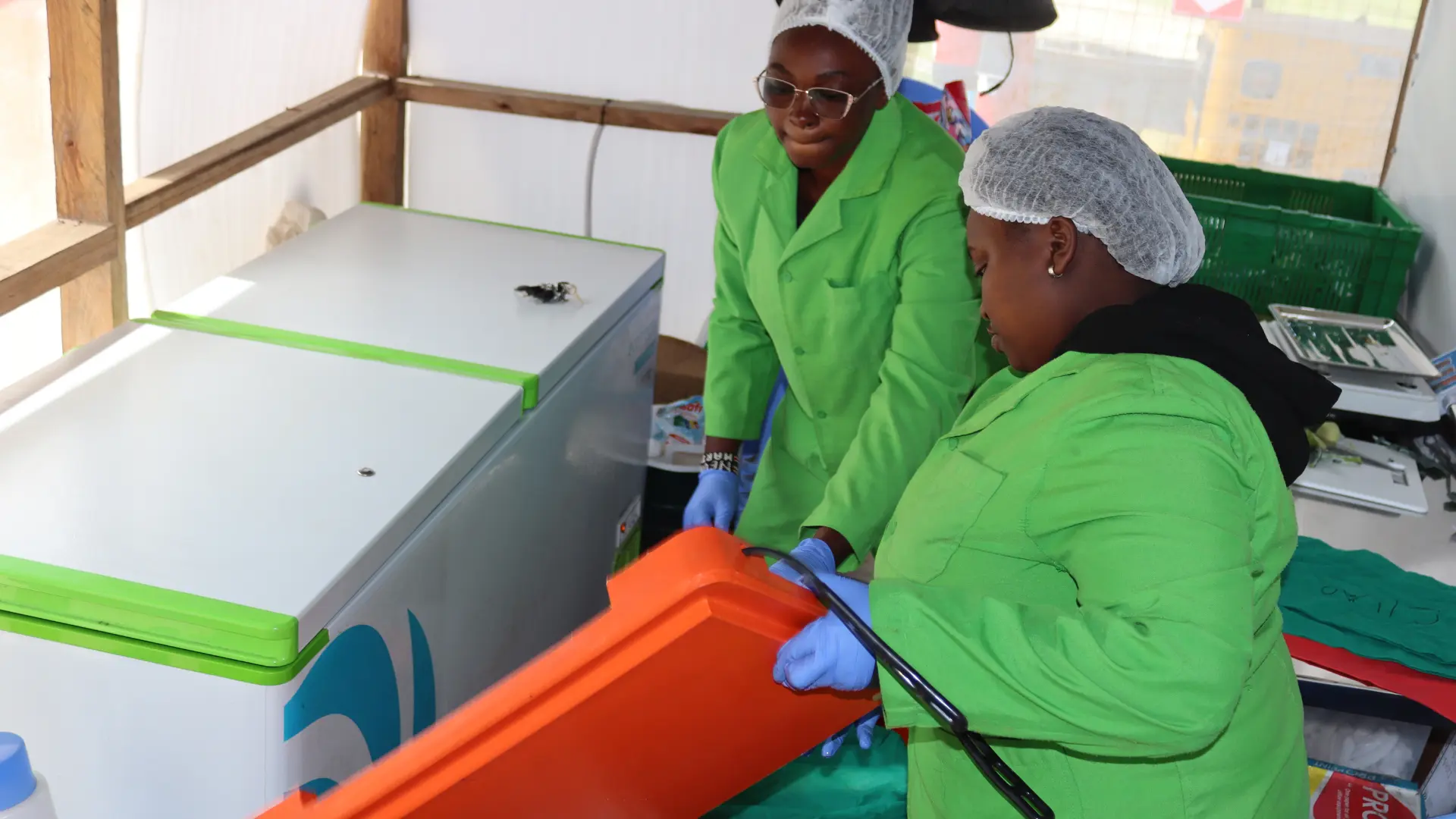
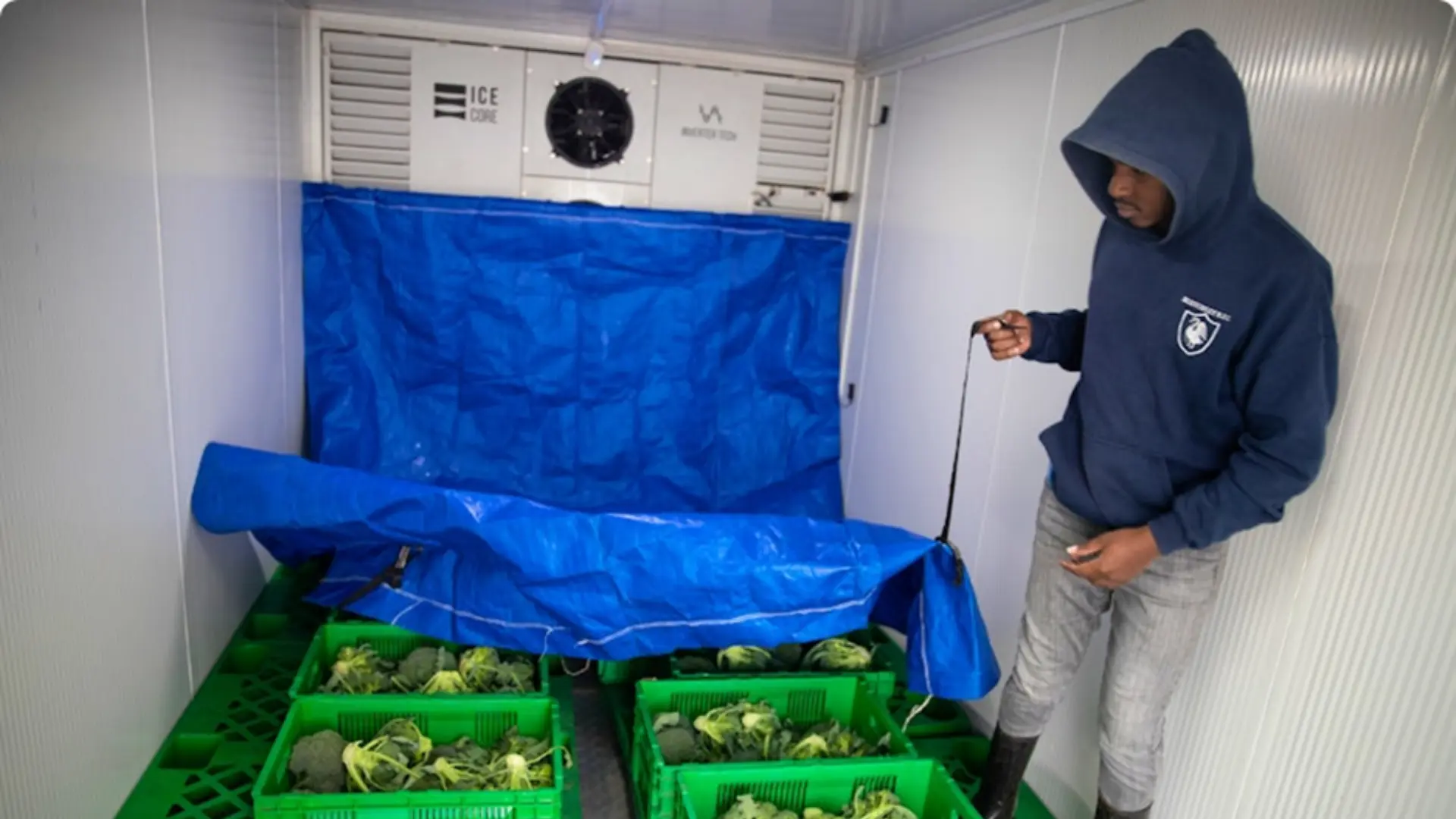
Back at the centre, Brian Mbote — an engineering intern — is running through his own checklist. His day starts with checking the temperature and humidity and a walk-through to make sure the equipment looks right.
“I get in by 8. First thing, I check temperature and humidity, then walk through to confirm everything’s working.”
The cold room runs on solar power, which means it needs daily attention to stay in shape. Brian tops up the humidifier tank, then cleans — floors, shelves, walls — and wipes dust off the refrigeration unit. It’s not the most exciting part of the job, but skip it, and the whole system suffers.
“We run the cold room through the Ecozen app,” he tells me, pulling up a dashboard of temperature logs, alerts and power stats.
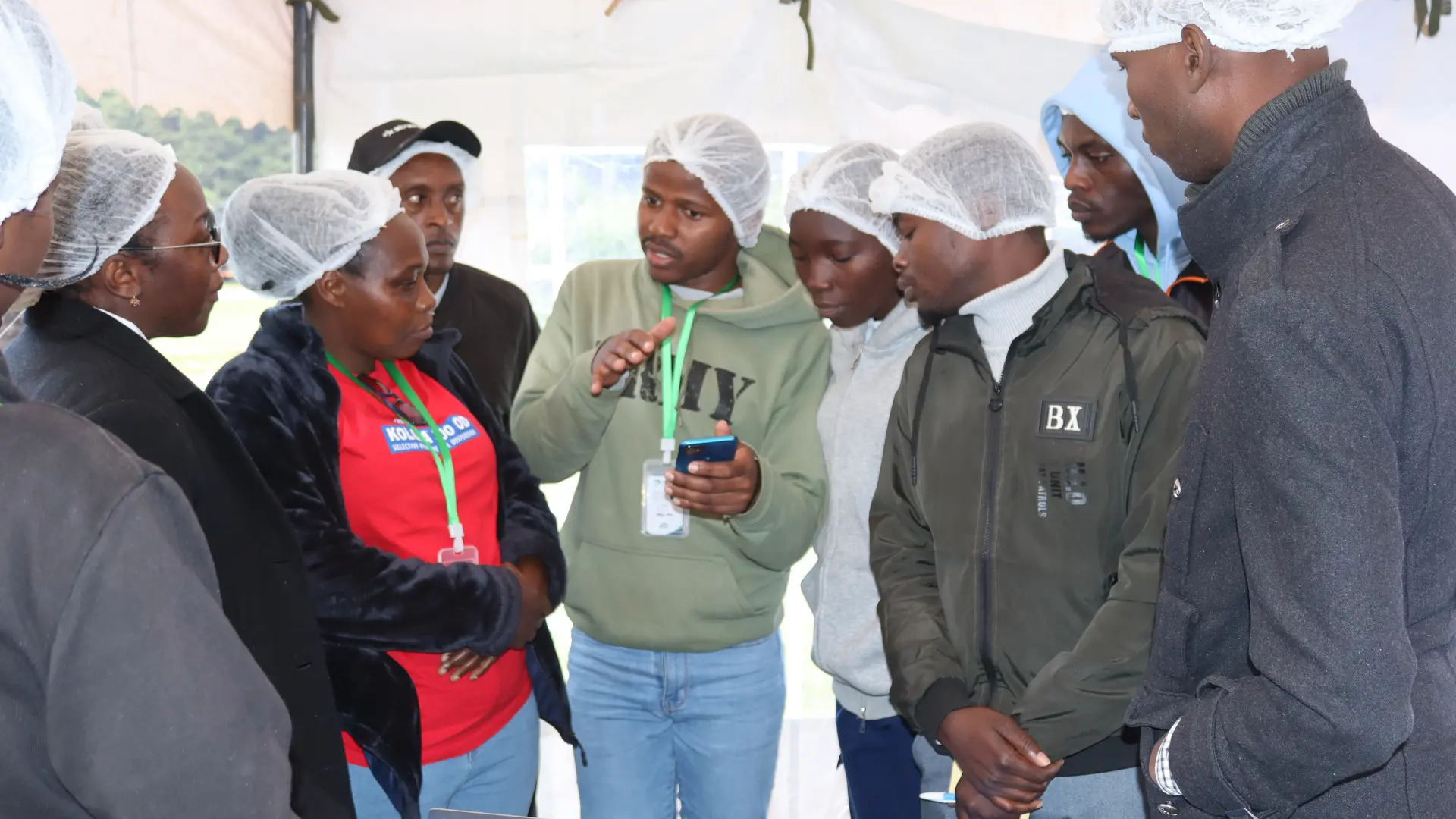
That app is doing real work — flagging anomalies, keeping a record for traceability, giving a rural cold-chain operation the kind of visibility that used to be out of reach.
Brian’s list doesn’t stop there. He logs everything moving in and out of storage, cleans the solar panels once a week to maintain power output, and handles the general upkeep that keeps the cold room from breaking down. Watching him work, it’s obvious that the technology only matters because someone knows how to run it. That’s really the point of the SPOKE model — building young people like Brian into skilled cold-chain technicians, a skill set rural Kenya has needed for a long time.
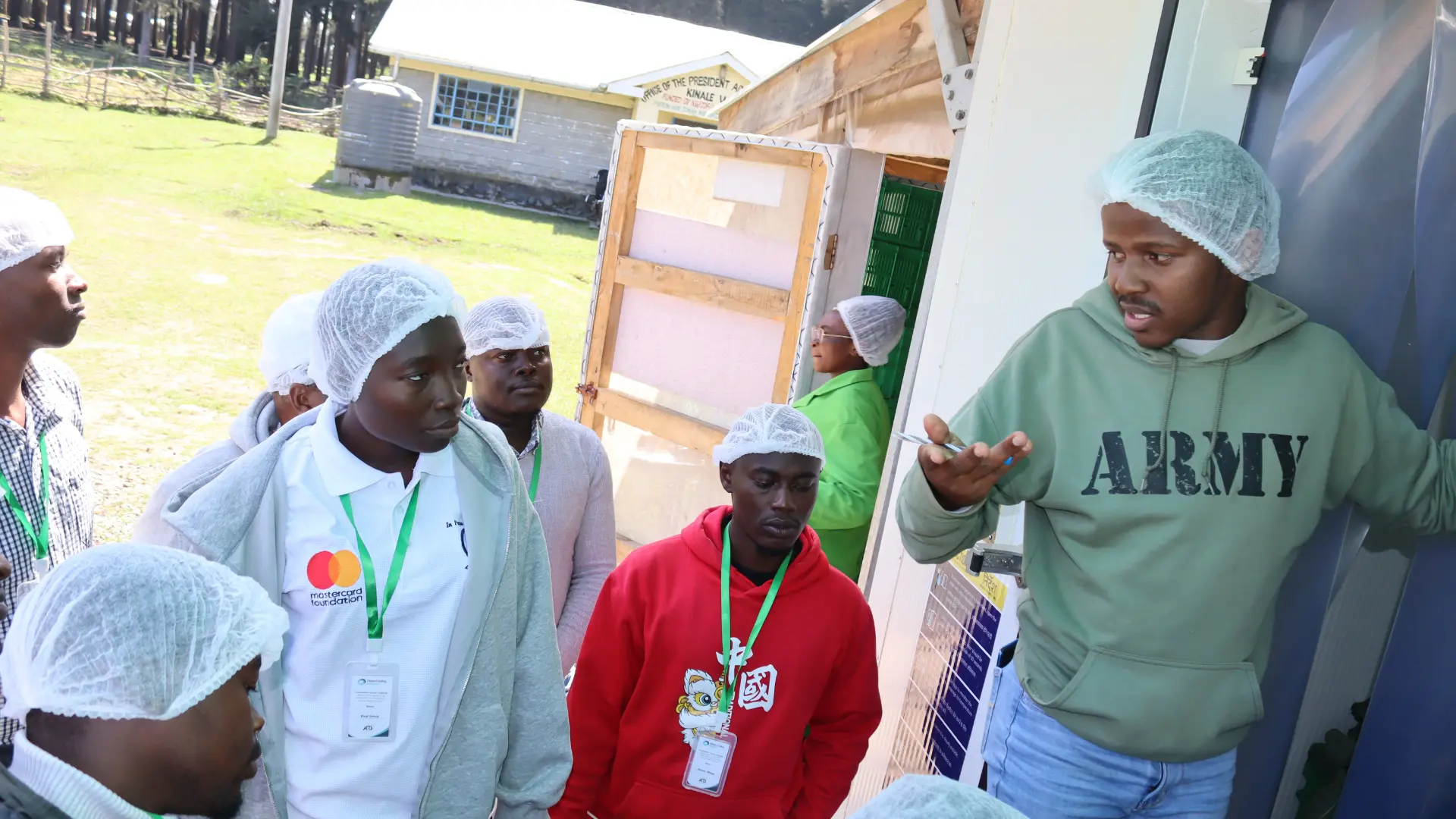
Building Toward a Full Cooling Hub
What Joyce and Brian do every day isn’t just routine — it’s the groundwork for something bigger. Under Phase 1 of ACES/SPOKE, ACTS and its partners are helping Kinale and other communities establish the governance structures, operating procedures, technology, and bankable business models needed to run a cold chain effectively, alongside training in postharvest handling, business planning, and safety.
By the end of this phase, Kinale should be positioned to run a fully functional Community Cooling Hub — one that not only preserves produce but also opens doors to aggregation, value addition, stronger market links, and steadier income for the people who depend on it.
What I saw at Kinale is a community partway through that journey — more organised, more confident, and increasingly comfortable running cold-chain systems that would have seemed out of reach not long ago.
Closing Thoughts
A day at the Kinale Aggregation Centre is really a story about precision and partnership — farmers waking up earlier, young technicians running digital cooling systems, coordinators keeping the market end honest, and the African Centre for Technology Studies (ACTS) backing each piece with training and tools.
Standing in the cold room as Brian took his last readings of the morning, I realised that this is what change actually looks like on the ground. Not dramatic. Just steady, day after day. The cold room is just the starting point. The real change is in the people running it.
Acknowledgements
This work was funded by the UK Government Department for Environment, Food and Rural Affairs (DEFRA) through the United Nations Environment Programme (UNEP) under the African Centre of Excellence for Sustainable Cooling and Cold Chain (ACES) initiative.
Related Resources
- The ACES SPOKE Programme – a closer look
- Ustawi Afrika chosen as the latest ACES SPOKE community in Kenya
- Transforming Farming in Lari, Kiambu County, Kenya: The Launch of Kenya’s First ‘Try Before You Buy’ Cooling Hub
- A Milestone Year in Establishing the Community Base for Sustainable Cold-Chain Scale-up
- “On the right track”: Zachary Kibiri on the successes and struggles of the Lari Cooperative