
By Yvonne Gitu
Background
The electric mobility (e-mobility) sector is rapidly transforming transportation systems worldwide, offering innovative solutions for sustainable urban mobility. However, as this sector expands, critical questions arise: Who benefits from these advancements? Are the opportunities accessible to all, particularly women, who often face systemic barriers in male-dominated industries?
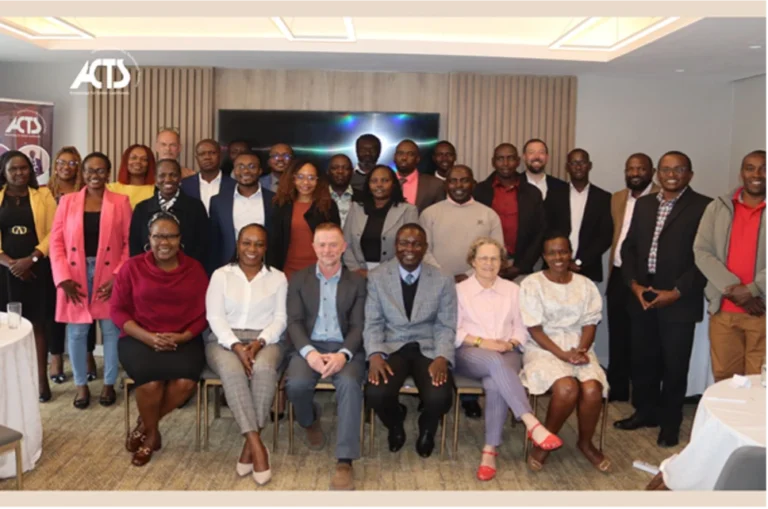
On March 11, 2025, Strathmore University Business School in Madaraka, Nairobi, hosted a workshop titled “The Transformative Power of Electric Mobility (e-mobility) Technology in Kenya: Understanding and Empowering Women Entrepreneurs.” This event, part of a 24-month research initiative funded by the Economic and Social Research Council (ESRC), the British Council, and the UK Department for Science, Innovation, and Technology, convened stakeholders from government, industry, and the entrepreneurial community to examine the intersection of e-mobility and gender inclusivity in Kenya.
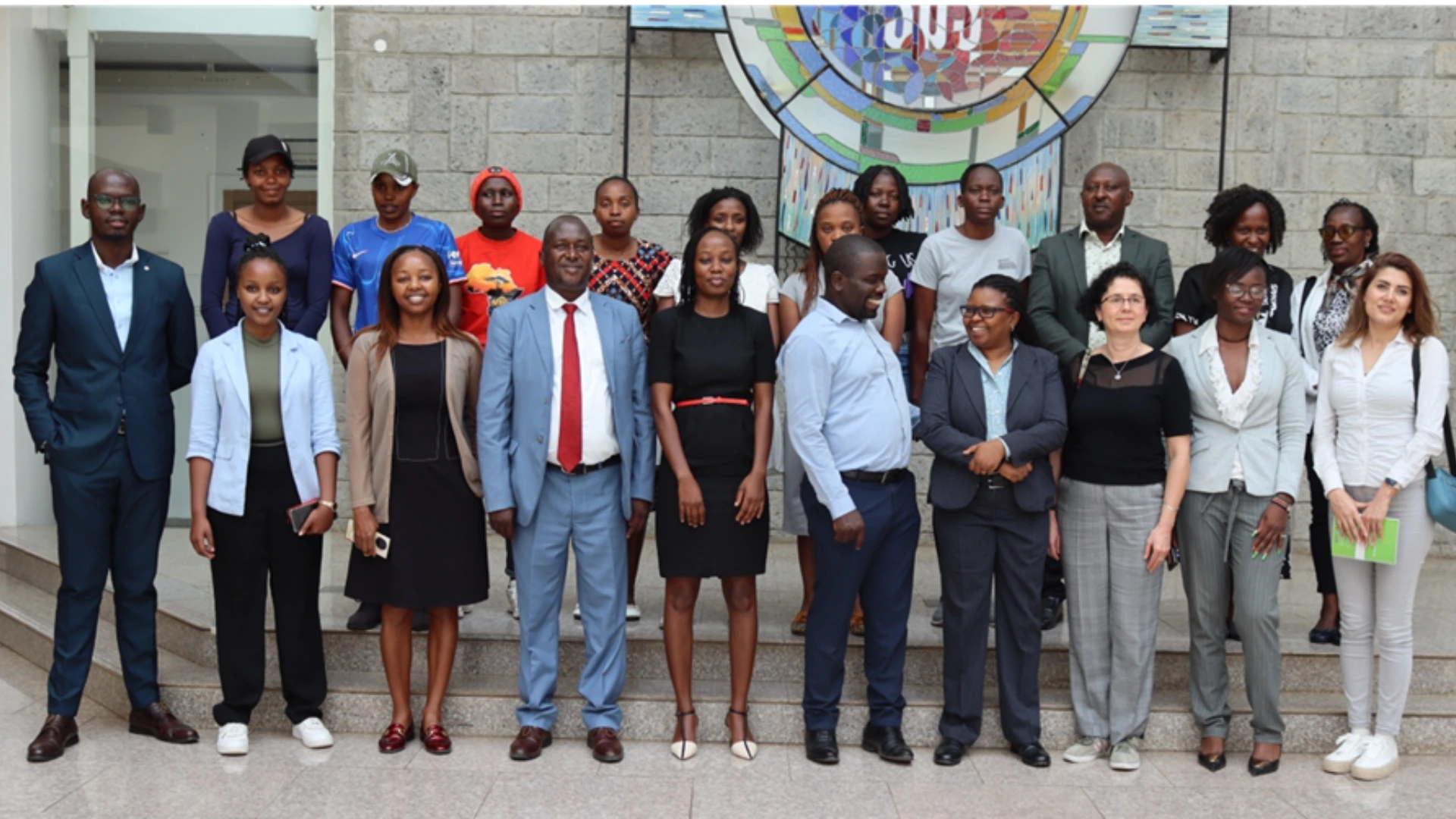
Figure 1: Group photo of participants at Strathmore University
About the project
The African Centre for Technology Studies (ACTS), in collaboration with Coventry University and Kenya Climate Innovation Centre (KCIC), is implementing a project titled “The Transformative Power of Electric Mobility Technology in Kenya: Understanding and Empowering Women Entrepreneurs,” aimed at creating an inclusive pathway for women entrepreneurs in Kenya’s e-mobility sector. The project seeks to identify barriers that hinder women’s participation, while simultaneously exploring opportunities like entrepreneurial avenues, policy recommendations, and best practices from successful women-led initiatives. By generating actionable insights through data collection, awareness campaigns, and stakeholder collaboration, the project aspires to inform policies that facilitate access to funding, resources, and networks for women. It also emphasises building mentorship networks and promoting gender-responsive policies to create a supportive ecosystem that empowers women to thrive in the e-mobility value chain.
Key Messegaes
- Opportunities For Women in the E-Mobility Ecosystem
- Significant barriers faced by Women
- Integration strategies for women across the e-mobility ecosystem.
Opportunities for Women in E-Mobility
The e-mobility sector presents diverse opportunities for women, spanning from entry-level positions to entrepreneurship and leadership roles:
Electric bikes (e-bikes) are creating new income streams for women. For instance, women who previously earned meagre wages as street vendors or matatu conductors are now thriving as e-bike delivery riders. These roles provide better pay, flexible hours, and autonomy—key factors that empower women to balance work with family responsibilities.
Riding and Delivery Services: E-bikes offer a viable and empowering employment option. One participant shared her journey of transitioning from selling safety gear and accessories across Nairobi towns, earning a daily income of 400 Kenyan Shillings (KES) after expenses. Her work involved long treks between towns, often walking from Nairobi’s Central Business District (CBD) to Karen, which left her physically exhausted and financially strained. Then one day in Kilimani, she spotted young men zipping by on electric bikes, earning up to 2,000 KES daily. “I did the math,” she recalls. “This job was tiring. I walked all day for so little. So, I joined Ebee.” Since joining Ebee, an e-bike delivery service, she has experienced a significant improvement in her earnings and quality of life. The shift not only increased her income but also gave her autonomy over her work schedule, a critical factor in balancing professional responsibilities with family obligations.
Similarly, a former matatu conductor recounted her transition from waking up at 4:00 AM to managing passenger routes along Ngong Road and Kibera. The physically taxing nature of the job and lack of control over working hours motivated her to join Uber, a delivery service provider, after observing its riders along Ngong Road. She now works as an e-bike delivery rider covering areas such as Kilimani, Westlands, and the CBD. Her testimony highlights the psychological benefits of this work: “I put on my helmet and just ride; it relieves stress.”
Technical Roles: Although more challenging, the sector needs skilled mechanics and technicians. A trained female mechanic shared her experience of exploitation in traditional garages, where promised wages of KES 1,500 per day were reduced to KES 200 per day. Additionally, women face scepticism regarding their capabilities in technical roles. She recalled being questioned about her ability to handle mechanical issues such as punctures, underscoring societal biases that limit women’s participation in higher-ranking roles, such as designers or manufacturers, within the transport sector. As a result, she transitioned to e-mobility, which offered a more promising environment for professional growth and financial independence. The trained mechanic highlights the potential for women to excel in technical roles within e-mobility, provided they receive fair treatment and opportunities for skills development.
Entrepreneurship: Women can establish businesses such as charging stations, battery-swapping facilities, or maintenance garages. These ventures not only generate income but also create local jobs and support the broader e-mobility ecosystem.
Leadership and Management: As the sector grows, women’s representation in leadership positions can help ensure that policies and practices are inclusive and equitable. This includes advocating for better working conditions, safety measures, and equal opportunities for women across the value chain.Women leaders can serve as mentors and role models, inspiring and supporting other women to pursue careers in e-mobility.Women leaders can also advocate for policies that support the growth of the e-mobility sector and promote its benefits to communities and the environment.
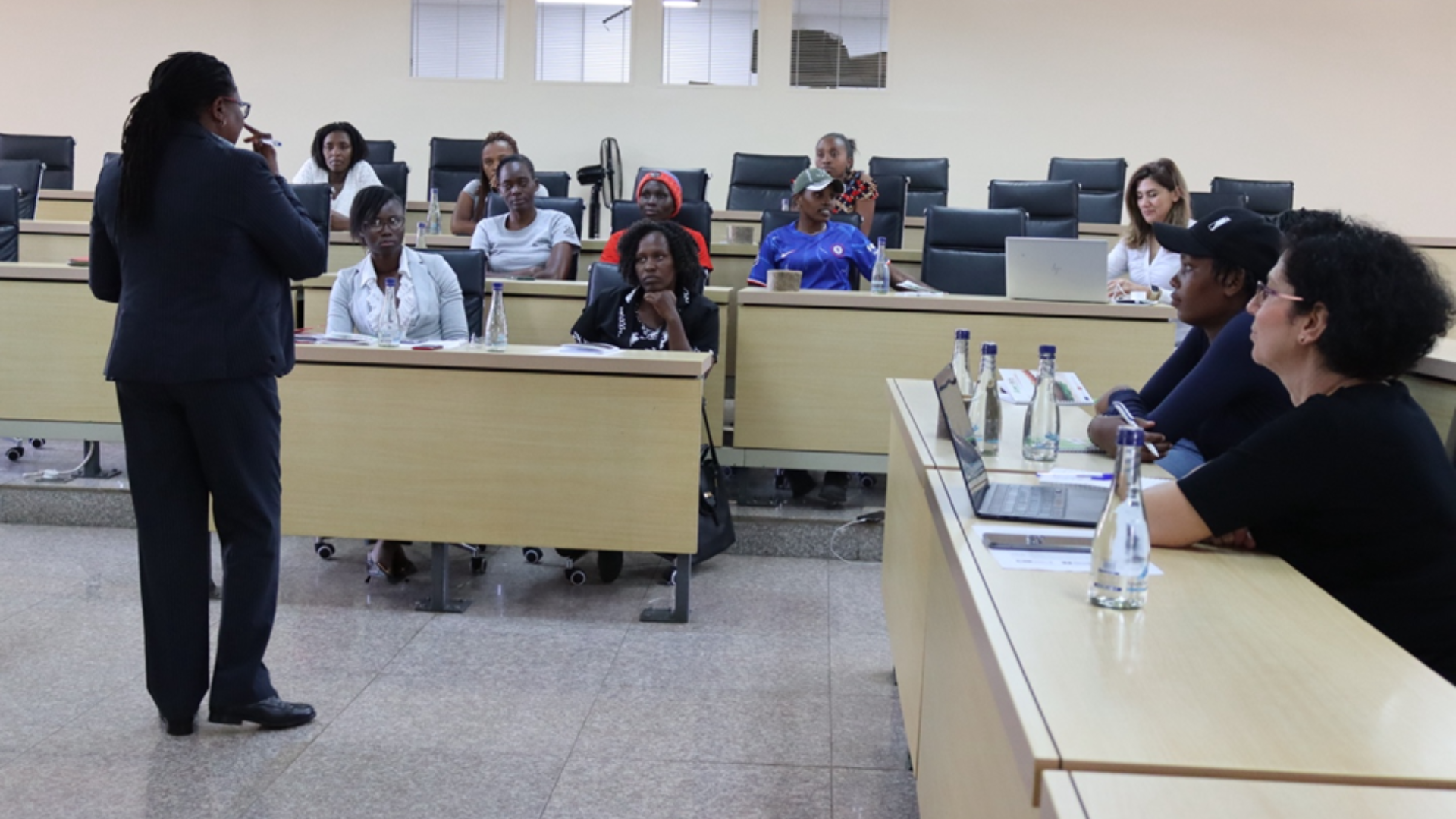
Figure 2: Women engaging in discussions about their experience in the E-mobility sector
Barriers Faced by Women
Despite the promising opportunities, women face several barriers that hinder their full participation and advancement in the e-mobility sector:
Financial Barriers
Electric bikes are more expensive than fuel-powered alternatives, with daily payments for e-bikes reaching KES 500 compared to KES 274 for regular bikes. This makes it difficult for women to afford entry into the sector. Women often struggle to secure loans or funding to purchase bikes or start businesses within the e-mobility ecosystem. Financial constraints limit their ability to scale operations or invest in better equipment.
Safety Concerns
Night Work Risks: One participant shared how she had to stop working past 8:00pm, because of the dangers associated with theft and attacks. “If they take your phone, that’s it. The phone is your office. If they take your bike, you have nothing left.” Another saftey risk is navigating busy roads with large buses and inadequate bike lanes. This poses safety risks, particularly for women riders who may face additional scrutiny or harassment. These risks limit women’s earning potential since peak hours for deliveries and transport services often occur at night.
Workplace Discrimination
Women working in garages as mechanics reported being underpaid or unpaid altogether despite performing the same work as men. This exploitation discourages women from pursuing technical roles in the sector. They also face scepticism about their ability to handle technical tasks like fixing punctures or maintaining vehicles. “I was frequently asked, what if you get a puncture? What will you do? And I always answered, “I will learn how to fix it.” Such biases create barriers to entry and advancement in male-dominated fields such as mechanics and transportation.
Technical Skills Gaps
Many women lack access to specialised training programs that would equip them with the technical skills needed for roles such as mechanics, technicians, or business managers in the e-mobility sector. Without these skills, women struggle to advance beyond entry-level positions or to start their own businesses in electric-vehicle servicing and innovation.
Societal and Cultural Norms
Gender biases and societal expectations often discourage women from entering non-traditional fields like e-mobility. One female rider recalled being mocked when she first started riding an electric bike: “People laughed at me, saying I wouldn’t last. But I had no other option. I kept going.”These societal perceptions undermine women’s confidence and create additional barriers to entry in technical and transportation-related jobs. Women are frequently questioned about their career choices, which can undermine their confidence and deter them from pursuing opportunities.
Lack of Career Advancement Opportunities
Women often remain stuck at lower levels of the value chain, such as riders or assistants, without progressing into higher-ranking positions like designers, manufacturers, or business owners. This stagnation is partly due to limited mentorship, networking opportunities, and systemic barriers.
Poor Working Conditions
The women in transport and tourism-related roles struggle with poor working conditions. A female tour guide using electric vehicles noted that lodging facilities were not designed for female workers and were designed primarily for male counterparts: “Most hotels cater to male drivers. Sometimes, I had to sleep in my car.” Similarly, women working in mechanical workshops and delivery services faced long hours with no proper rest facilities, lack of childcare support, and harsh working environments that make it difficult to sustain long-term careers
Limited Access to Infrastructure
The closure of battery-swapping stations (e.g., one in Westlands) forces riders to travel long distances for battery replacements. For women with family responsibilities, such logistical challenges add time constraints and make it harder to balance work and personal obligations.
“I leave home with a fully charged battery, but by the time I get back, it’s almost dead.” This adds logistical challenges that disproportionately affect women who may already have limited time due to family responsibilities.
Integration Strategies for a Gender-Inclusive E-Mobility Sector
To ensure a more inclusive e-mobility sector that empowers women, targeted interventions are essential:
- Skills Development Programs: Tailor training initiatives to equip women with technical skills, business acumen, and leadership capabilities while ensuring accessibility across urban and rural areas.
- Financial Support Mechanisms: Provide grants, subsidised loans, or other financial incentives to help women purchase e-bikes or establish businesses within the e-mobility ecosystem.
- Safe Working Conditions: Implement measures such as secure routes for night shifts and emergency support systems to enhance safety for women riders and workers.
- Anti-Discrimination Policies: Enforce fair labor practices and create mechanisms to address workplace harassment or exploitation effectively.
- Mentorship Networks: Establish mentorship programs that connect aspiring women entrepreneurs with experienced professionals who can provide guidance and support.
- Gender-Inclusive Policies: Advocate for policies that promote equitable access to resources such as credit, land, and infrastructure while addressing systemic barriers that hinder women’s advancement.
A Call to Action
The discussions underscored the immense potential of women to drive innovation and sustainability within Kenya’s e-mobility sector. By addressing systemic barriers and implementing targeted strategies, stakeholders can foster an inclusive ecosystem where women thrive as entrepreneurs, leaders, and innovators.
As we transition toward cleaner transportation systems globally, it is imperative to ensure that no one is left behind, particularly women who hold untapped potential to shape the future of sustainable mobility in Kenya and beyond. Their stories of resilience and ambition serve not only as inspiration but also as a call to action for creating a more equitable e-mobility industry that benefits all members of society.