
By Fiona Makayoto and Patience Mebo Ochieng
Long before a forecast could be checked on a screen, communities across Kenya watched their surroundings for hints about the coming season. The movement of insects, the colour of clouds and the flowering of plants told them when the weather was about to change. Elders passed this knowledge down through storytelling, apprenticeship and festivals.
With technology advancing and the climate changing, two questions arise. How could this knowledge feed into modern forecasting? And what could digital tools do to keep it recorded and safe for study?
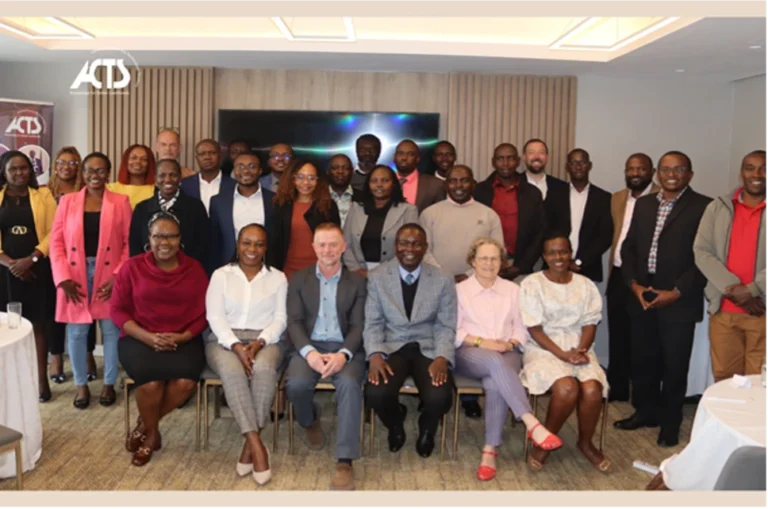
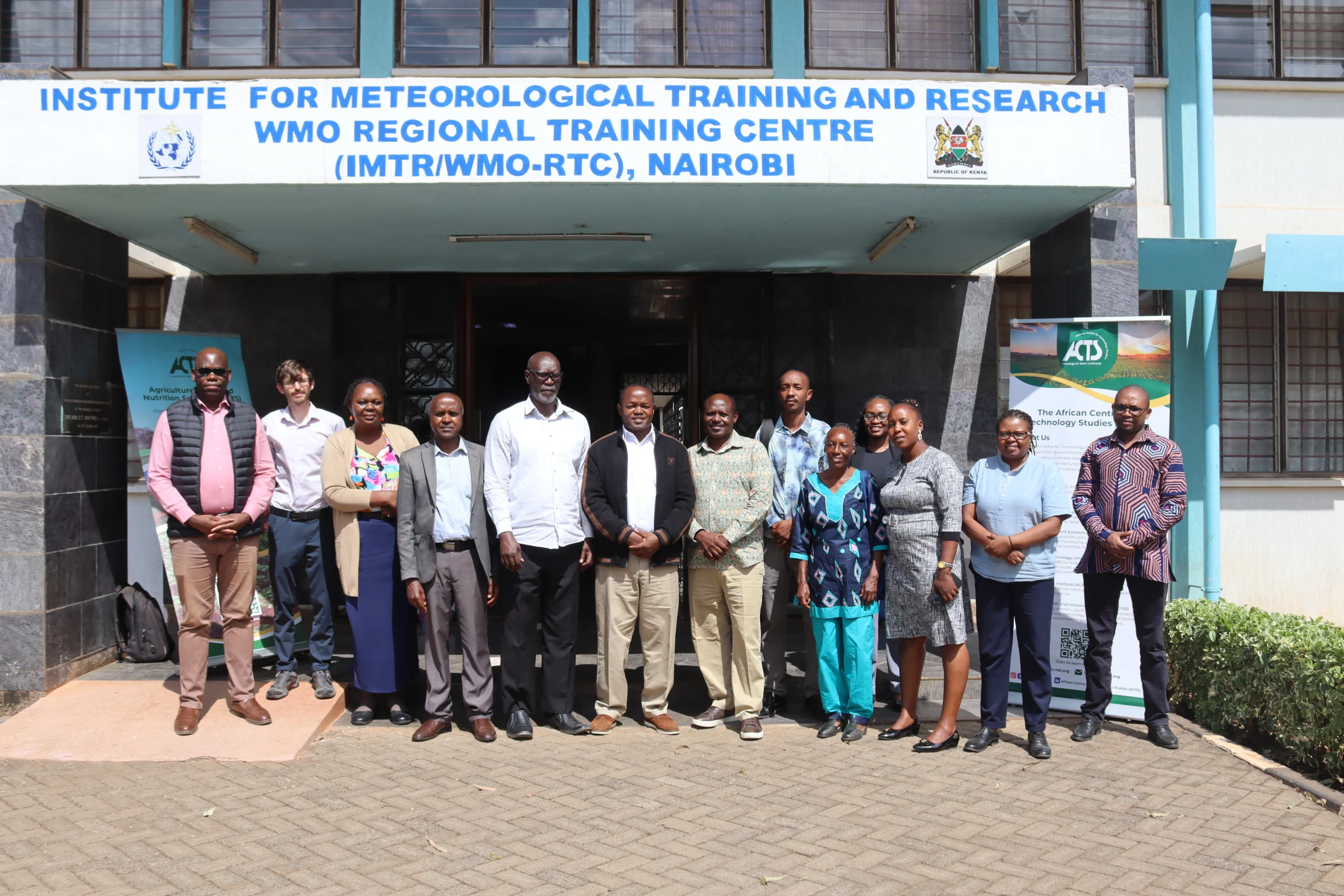
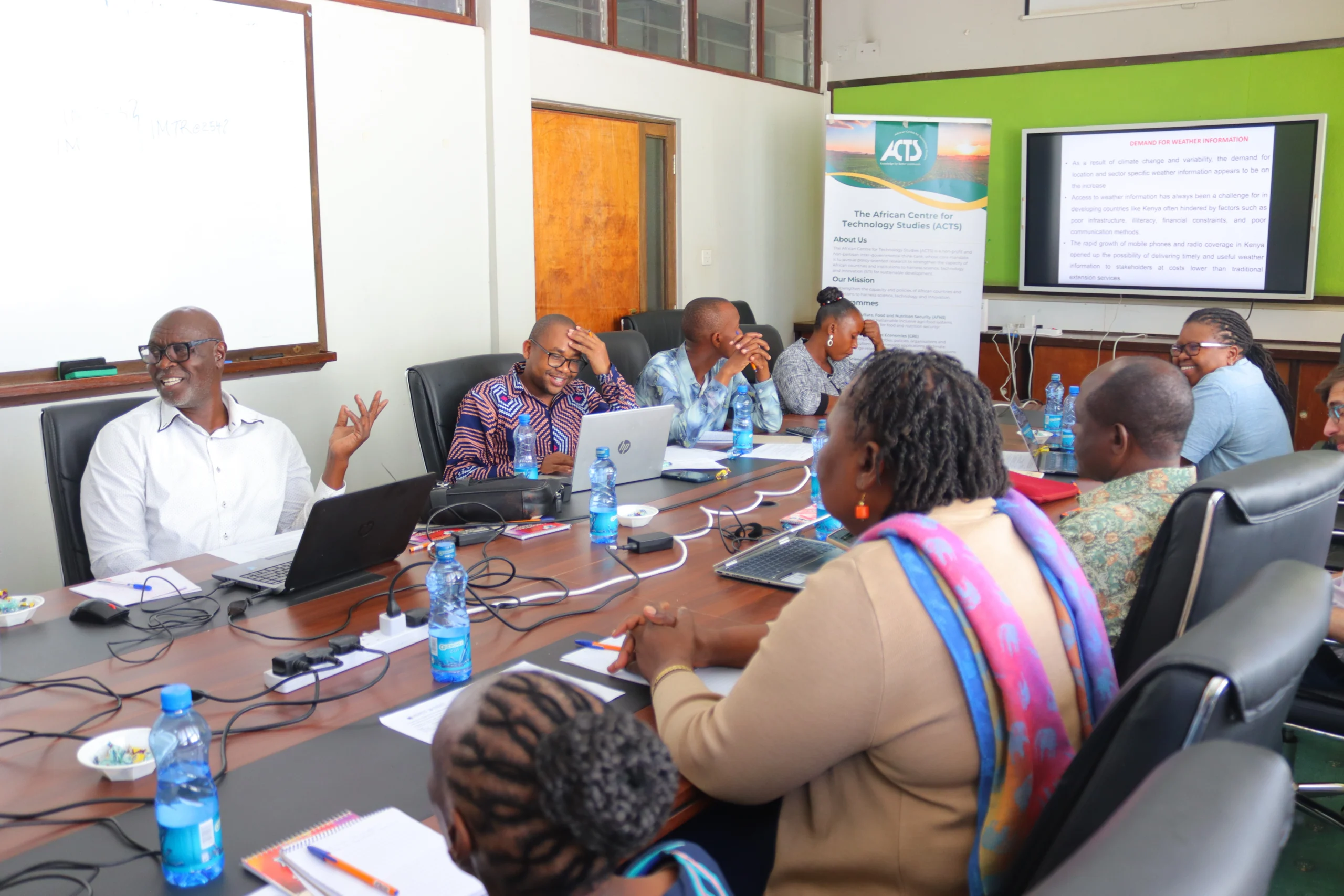
These questions formed the basis of a roundtable held at the Institute for Meteorological Training and Research (IMTR) in Nairobi on 22 October 2026. Convened by the African Centre for Technology Studies (ACTS), the University of Birmingham’s Birmingham Institute for Sustainability and Climate Action (BISCA) and the Kenya Meteorological Services Authority (KMSA), the aim was to discuss how Indigenous and Traditional Knowledge (ITK) might strengthen agro-climate services in Kenya.
Learning from Kitui and Taita Taveta
The roundtable drew on case study research in Kitui and Taita Taveta counties, gathered through key informant interviews, focus group discussions and stakeholder meetings. Communities in both counties use observations of plants, insects, birds, clouds and other signals to anticipate seasonal change. These observations guide decisions on planting, water management, food storage and livestock care.
Yet this knowledge faces three main pressures. Some indicators, such as indigenous trees, are becoming less common because of deforestation. Changing environmental conditions may reduce the reliability of signs communities have long trusted. And rural-to-urban migration leaves elders with little time or space to pass on their experience, weakening continuity between generations.
Complementary evidence
These challenges point to the need to document Indigenous knowledge in ways that preserve its local context while allowing it to be examined alongside scientific evidence. Participants argued that a record should capture more than a list of indicators. It should also hold what each one means locally and how communities interpret it. A sign that rain is approaching may say nothing about how much will fall, how long it will last or whether it will meet a crop’s needs.
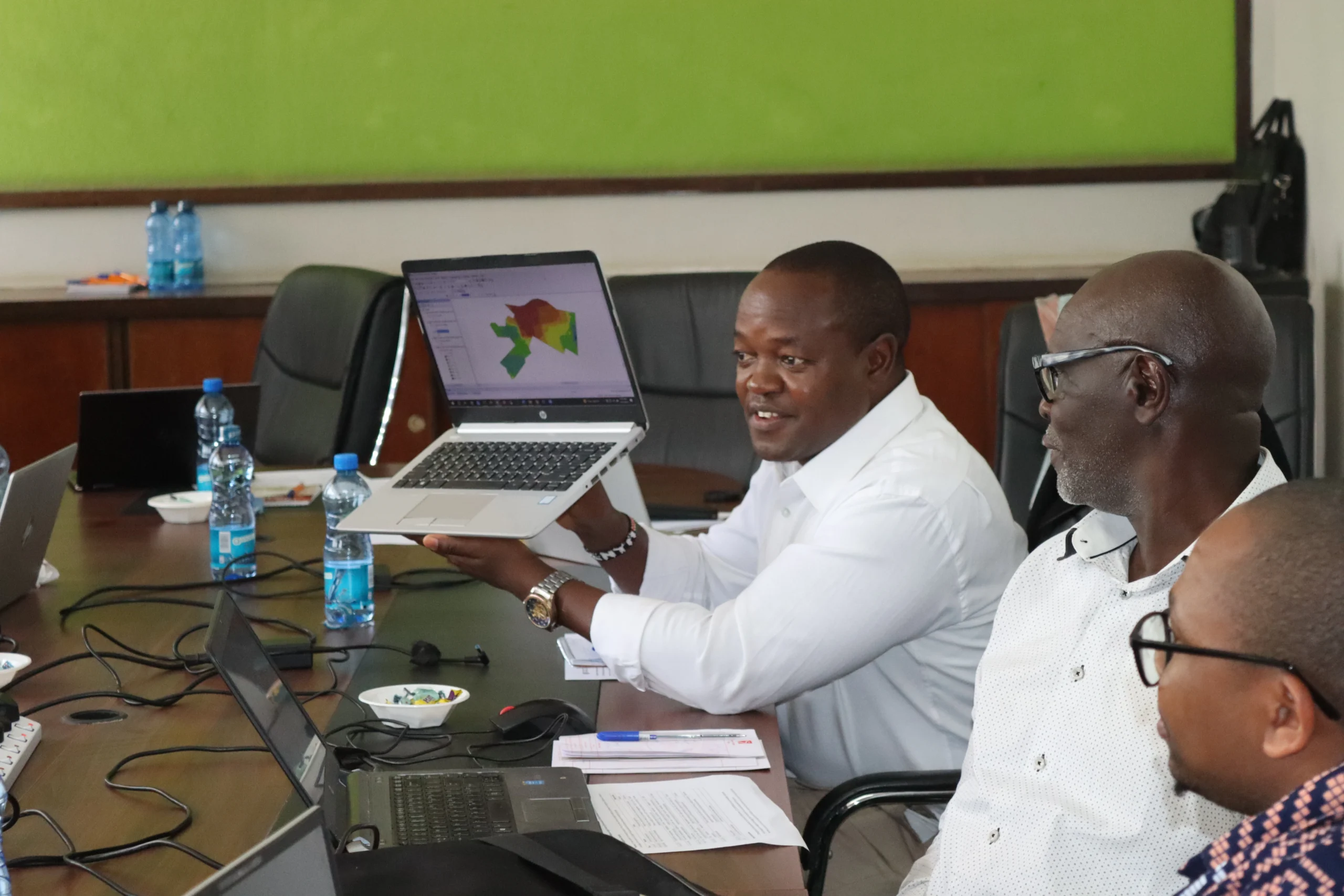
Scientific forecasts supply essential information on expected conditions, while Indigenous knowledge offers insight from close, long-term observation of a specific place. Studying the two together could clarify how indicators relate to measured weather and show where evidence is still missing. Kenya’s Participatory Scenario Planning (PSP) process is an existing platform for this, already bringing seasonal forecasts together with community experience and livelihood priorities.
Citizen science offers a practical way forward. Community members could record environmental changes over time, then examine the records with researchers and meteorologists. Their role would be essential, as they are best placed to explain when a given indicator carries meaning.
Where digital twins and ethics come in
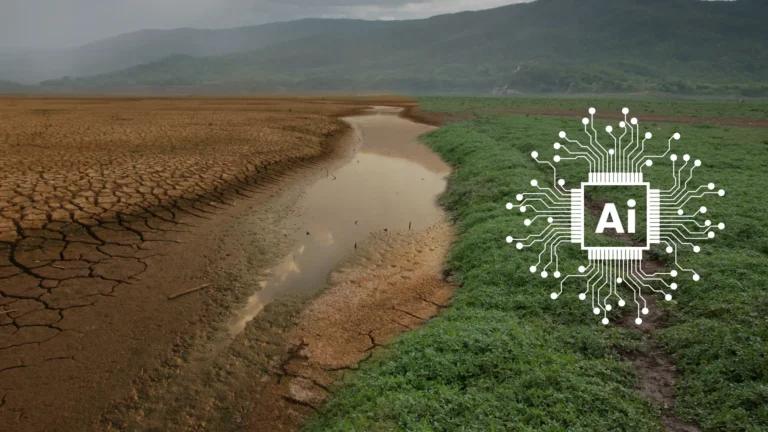
Documenting community observations over time also raises questions about the tools needed to analyse and preserve this information. One possibility discussed was the use of digital twins. A digital twin is a digital representation of a real-world system, updated with new information so that changes can be tracked over time.
For agro-climate services, one could combine community observations, weather-station measurements and other environmental data. Researchers could then compare local indicators with meteorological records and monitor ecosystem change. Kenya’s target of 30% tree cover also offers a chance to link community monitoring with biodiversity conservation and forest restoration.
The potential of these technologies comes with important considerations. Recording an indicator digitally is not proof that it can predict the weather. This requires careful testing against scientific data, carried out in partnership with the communities who hold the knowledge. Questions of ownership and access sit at the centre of this work, because communities must decide how their knowledge is documented and interpreted, and who gets to use it. Every digital initiative should be guided by informed consent and respect for the cultural values and rights of the knowledge holders.
The way forward
The roundtable pointed to a joint pilot in Kitui and Taita Taveta that would document selected indicators and test how they relate to meteorological data. It would ask which indicators communities find most meaningful and where the evidence is too thin to draw conclusions, while tracking how indicators and ecosystems are changing. The ACTS policy brief Bridging Local and Traditional Knowledge Systems with Digital Technologies for Climate Resilience in Kenya explores these ideas in more detail.
Making this work will need ongoing investment in community monitoring and in partnerships that bring knowledge holders and scientific institutions together. Schools, community forums and support for local observers could help keep this knowledge alive, while also creating opportunities to study how indicators are changing.
The opportunity lies in a real dialogue between different forms of knowledge. Bringing community observations into dialogue with scientific assessment and appropriate digital tools could strengthen Kenya’s climate services. The success of this approach, however, will depend on recognising communities as active contributors to the process and respecting their rights over the knowledge they hold.