
By Catherine Kilelu, Christine Ndiritu, and Pauline Soy
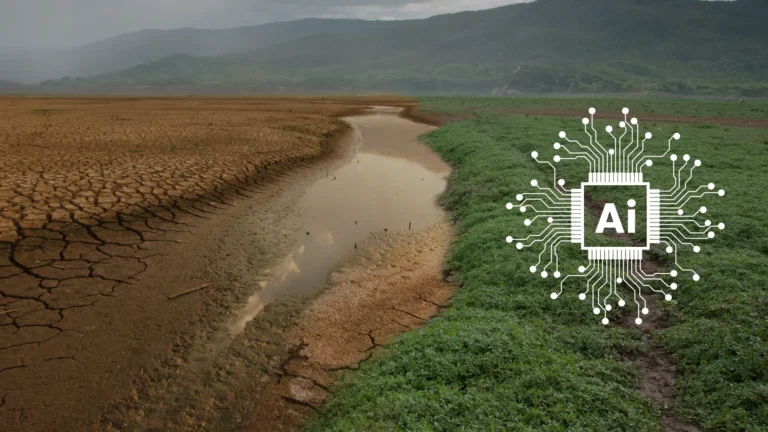
As the world commemorates World Food Day, following the International Day of Awareness of Food Loss and Waste, attention turns to one of Kenya’s persistent food security challenges: the loss of food between harvest and consumption.
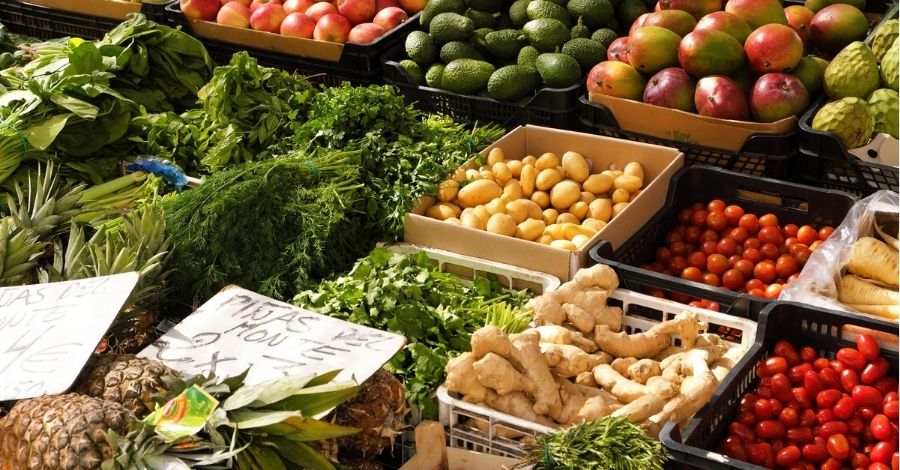
More than KES 72 billion (USD 578 million) worth of food produced in Kenya every year fails to reach consumers because of food loss and waste. This is an estimate of 30-40% of post-harvest food loss. For smallholder farmers, this translates into months of hard work lost, along with investments in seeds, water, fertilizer, and other inputs.
Kenya’s food challenge is not always production, but also what happens after production. Post-harvest handling, storage and transportation play a critical role in determining whether fresh produce reaches consumers with its quality and value intact. This represents food that could otherwise have been consumed, particularly as Kenya continues to face significant food and nutrition security challenges.
Moreover, the Ministry of Health’s Kenya Nutrient Profile Model of 2025 reports that approximately 94% of the population does not meet the recommended intake of 400 g of fruits and vegetables per capita per day, which are vital sources of essential micronutrients.
A key driver contributing to post-harvest losses across fruit and vegetable supply chains, from farm to fork, is the limited availability of effective and affordable cold-chain solutions. Cold-chain solutions can reduce loss and help maintain freshness and quality as produce moves through the supply chain, yet they remain an often-overlooked investment in Kenya’s food system.
A study by the African Centre for Technology Studies (ACTS) published in Frontiers in Horticulture in 2025 titled “Unraveling smallholder food loss and value for sustainable cold chain investments: a case of horticultural value chains in Kiambu County, Kenya” highlights the scale of this challenge among smallholder farmers in Kiambu County, one of Kenya’s key horticultural production baskets. The study notes that post-harvest loss is both a factor and an effect of how smallholder farmers engage with market dynamics and attain value from their horticulture farming enterprises.
It demonstrates how inadequate cold-chain infrastructure contributes to market inefficiencies and distortions, increasing food losses while undermining the accessibility, affordability and availability of highly perishable products.
Globally, the challenge is equally significant. According to the FAO and UNEP, 526 million tonnes of food, approximately 12% of global production, are lost or wasted due to inadequate refrigeration.
The report estimates that developing countries could save approximately 144 million tonnes of food annually if they achieved cold-chain infrastructure levels comparable to those of developed countries.
Food loss and waste also contribute to the climate change crisis. Kenya’s 2022 Nationally Determined Contribution identifies agriculture as a leading source of greenhouse gas emissions, at roughly 40% of the national total, with food loss and waste as a significant contributor of these emissions. The African Union has set a target of halving post-harvest loss by 2035 as part of the Kampala Comprehensive Africa Agriculture Development Program.
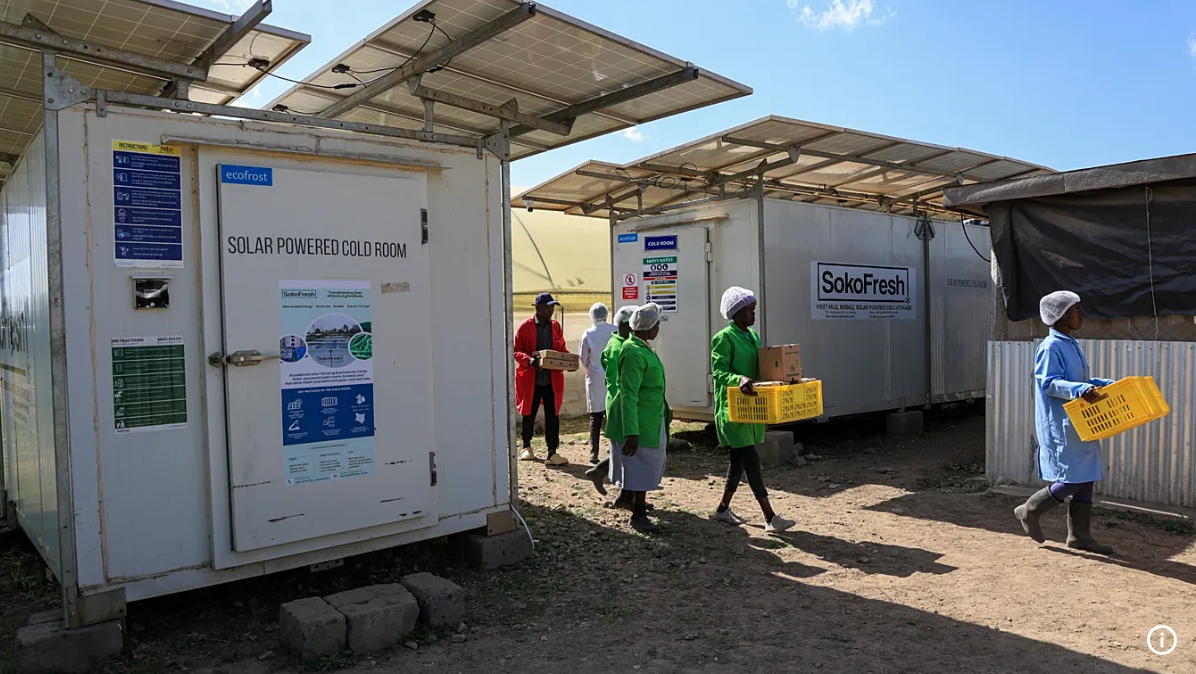
Solar-powered cold-chain solutions, particularly cold storage, have emerged as a promising option for addressing the interconnected challenges of food loss and climate change.
Integrating solar energy into cold storage can help extend the shelf life of fresh produce, protect farmers’ incomes and reduce the emissions associated with cooling. Done well, it can transform rural economies.
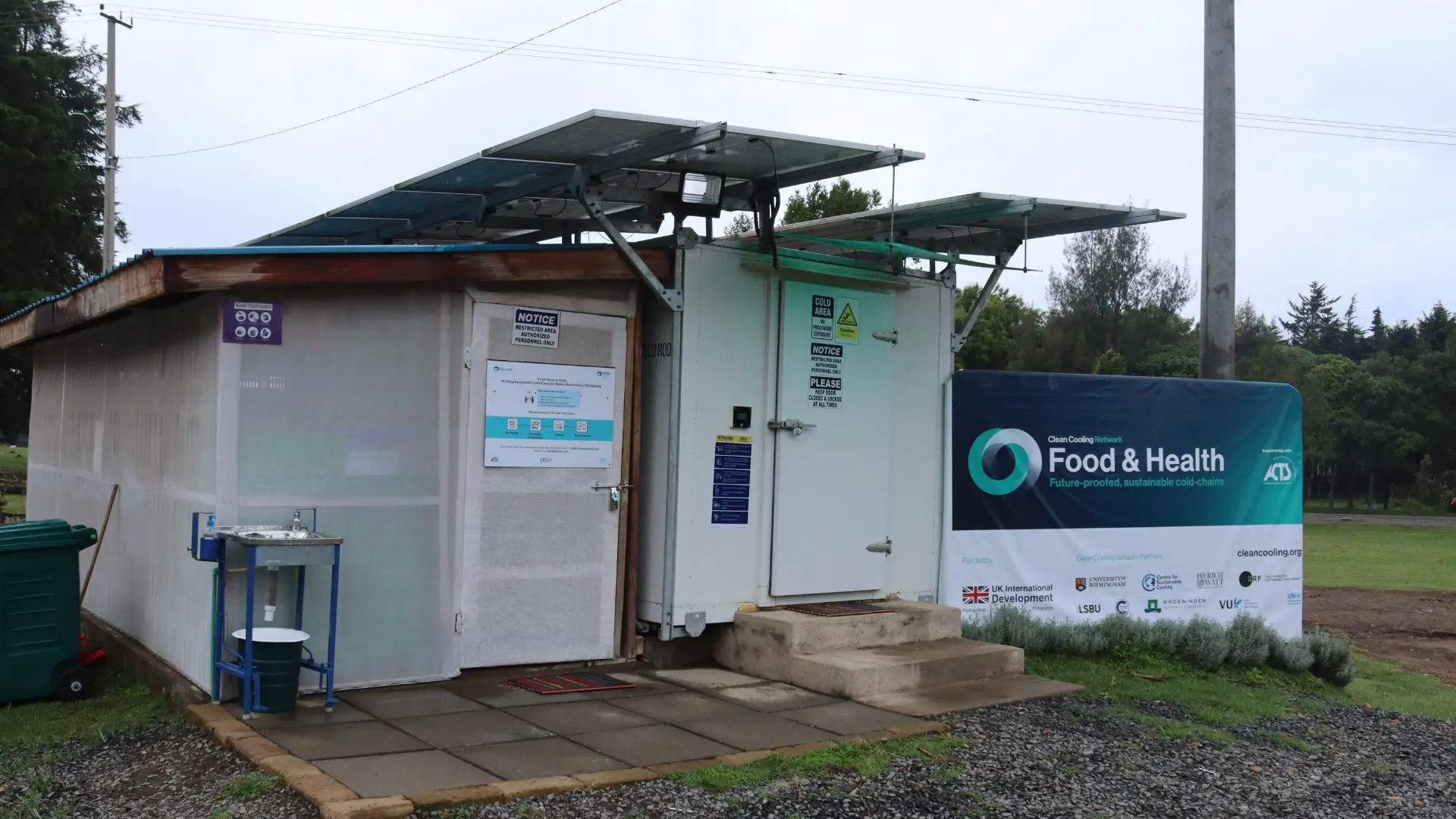
The African Centre for Technology Studies (ACTS), in collaboration with the African Centre for Sustainable Cooling (ACES) and UNEP, have piloted an approach to stimulate investment in sustainable cooling and cold-chain solutions within smallholder rural communities.
The focus is not only on the technology itself, but also on developing business models that can make investments viable, sustainable and scalable. The approach strongly emphasizes producer communities testing the technology and understanding the business case for cooling before investing in infrastructure.
Smallholder-linked enterprises evaluate commercial viability and operational benefits, such as aggregation models and the sustainability of low-cost, energy-efficient technologies before committing to investment.
Promising results have emerged through a sustainable cold chain-enabled farmer-led aggregation enterprise that has brought together 250 smallholder men and women. This has reduced post-harvest loss to single digits and increased in prices to farmers by on average 50%.
This is a lesson learned from similar initiatives where cooling infrastructure was installed without a clear business model, leaving facilities underutilized or ultimately failing, especially due to high energy costs.
Related Resources
- The ACES SPOKE Programme – a closer look
- Ustawi Afrika chosen as the latest ACES SPOKE community in Kenya
- Transforming Farming in Lari, Kiambu County, Kenya: The Launch of Kenya’s First ‘Try Before You Buy’ Cooling Hub
- A Milestone Year in Establishing the Community Base for Sustainable Cold-Chain Scale-up
- “On the right track”: Zachary Kibiri on the successes and struggles of the Lari Cooperative