
Fiona Makayoto, Zipporah Maina, Patience Mebo, Christine Ndiritu, Amon Gachuri, Gregory Sikumba, Samwel Oriwo
Every harvest season, thousands of tonnes of fresh produce are lost along Kenya’s supply chains, particularly in the post-harvest period. For farmers, these losses translate into reduced incomes, unstable markets and missed business opportunities. For Kenya’s food system, they mean wasted resources, increased pressure on food security and avoidable greenhouse gas emissions. Addressing these losses requires more than infrastructure, it calls for a sustainable cooling ecosystem that is commercially viable, investment-ready and capable of delivering value across the horticulture value chain.
Agriculture remains the backbone of Kenya’s economy, with horticulture among its most valuable valu chain. In 2025, Kenya exported 457,700 tonnes of horticultural produce valued at ksh 143.78 billion with fruits and vegetables accounting for 34% of total exports. Despite this, an estimated 30 to 40 percent of perishable produce is lost post-harvest, largely due to inadequate cold chain infrastructure, poor handling practices, and fragmented markets and limited access to finance.
While sustainable cooling technologies have long been recognized as part of the solution, experience has shown that technology alone cannot transform agricultural value chains. The real challenge lies in building enterprises that can sustain these technologies, creating financing models that respond to the realities of agriculture and ensuring communities are equipped to own and manage these investments.
These were among the issues that shaped discussions during the Sustainable Cooling and Cold Chain Solutions (SCCCS) Finance Dialogue, held in Nairobi on 9 July 2026. The dialogue builds on the momentum generated by the recent Financing Agri-Food Systems Sustainably (FINAS) Summit, which emphasized the need for a more sustainable financial architecture for Africa’s food systems. Among the key priorities emerging from FINAS were the need to de-risk agricultural investments, strengthen public-private community partnerships, develop innovative and inclusive financing models and channel greater investment into climate-smart infrastructure and resilient value chains. These priorities closely align with the Sustainable Cooling and Cold Chain Solutions (SCCCS) Programme’s efforts to position sustainable cold chains as commercially viable investments that reduce food loss, strengthen food security and build climate resilience.
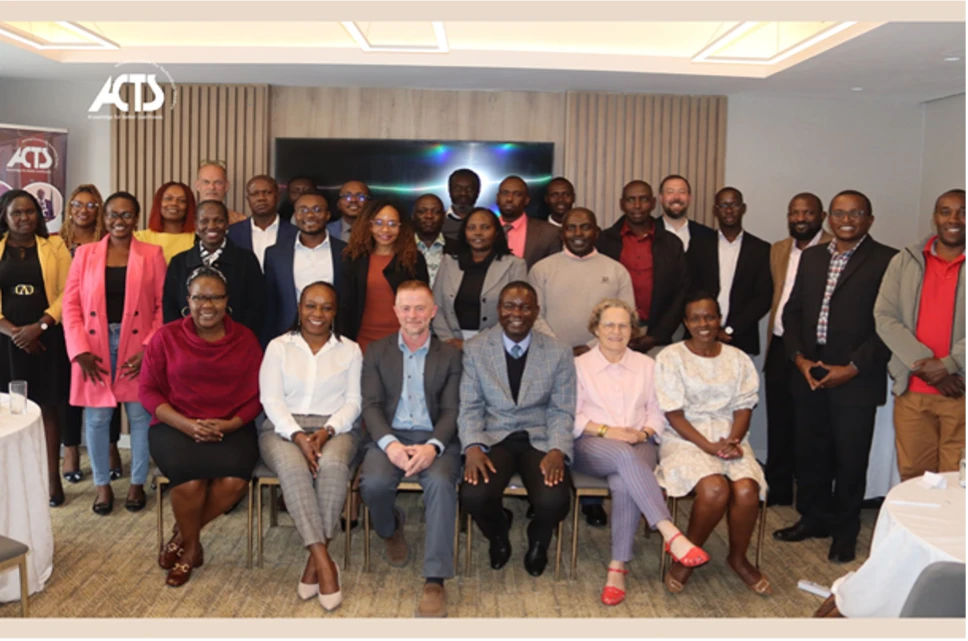
Image 1: Participants pose for a group photo during the SCCCS Programme Finance Breakfast and Consultative Meeting
Convened by the African Centre for Technology Studies (ACTS), together with the United Nations Environment Programme (UNEP), the Ministry of Foreign Affairs of Denmark and Heriot-Watt University, the meeting marked the conclusion of three days of engagements that began with a programme review and continued with field discussions in Nyandarua County. Those earlier discussions brought together county government officials, researchers and local stakeholders to examine the realities of implementing sustainable cooling solutions on the ground. Conversations explored post-harvest losses, market access, renewable energy solutions, and the partnerships needed to strengthen agricultural value chains.
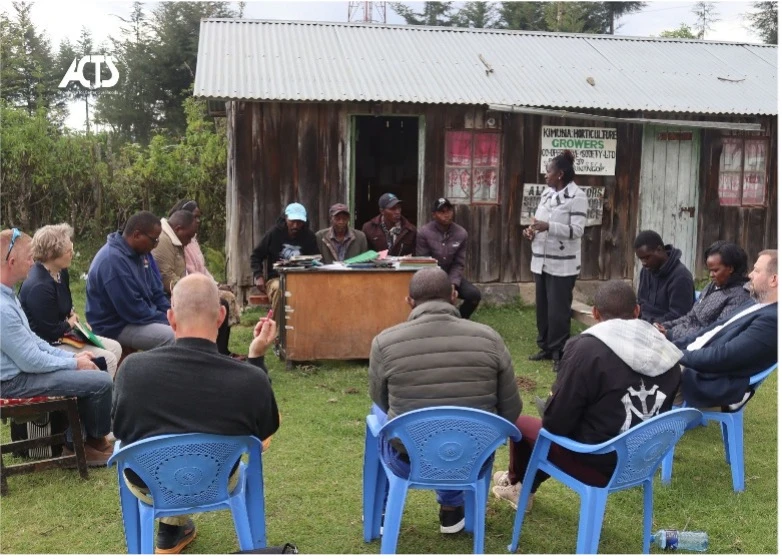
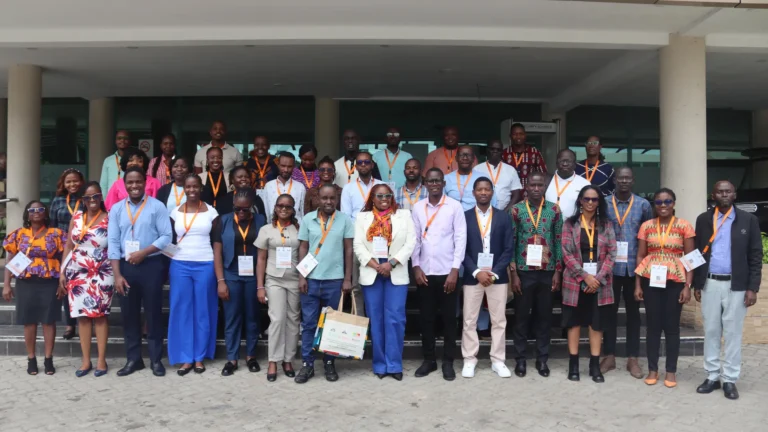
Image 2: ACTS, Denmark and UK Delegation Visit Kimuna Horticulture Growers in Nyandarua
The Sustainable Cooling and Cold-Chain Finance Dialogue built on those lessons by bringing together representatives from Agriculture Sector Network (ASNET), United Nations Capital Development Fund (UNCDF), Financing Locally Led Climate Action Program (FLLoCA), Food and Agricultural Organization of the United Nations (FAO) Agriculture Finance Corporation (AFC), Agriculture and Food Authority – Horticultural Crops Directorate (AFA HCD), The Retail Trade Association of Kenya (RETRAK) International Fund for Agricultural Development (IFAD), Financial Sector Depending (FSD), Micro Enterprise Support Programme Trust (MESPT), NCBA Group, K-unity Sacco, Kenya Climate Innovation Center (KCIC), GIZ Kenya, Unaitas Sacco, LARI Horticulture farmers’ Cooperative Society Limited (LFCSL) and other key partners to explore practical financing solutions for Kenya’s sustainable cooling ecosystem.
How do we finance sustainable cooling in a way that works for communities, businesses and investors alike?
- Moving beyond technology
Successful cooling solutions begin with commercially viable enterprises not equipment. Cooling technologies are important but they only become meaningful when they are supported by reliable ecosystem comprising of quality and consistent production, markets, strong governance, appropriate financing and community ownership.
The SCCCS Programme has embraced this by placing business development ahead of technology deployment. Communities are first supported to understand their production methods / planning, markets, assess their readiness, strengthen their enterprises and develop bankable business models to inform optimization of cooling equipment.
One of the programme’s defining innovations is “Try Before You Buy” model, implemented by the Lari Horticulture Farmers Cooperative Society Limited in Kiambu County. Rather than asking communities to invest immediately in the infrastructure, the programme allowed proof of concept into appropriate technology. Through this approach, the programme has generated evidence on both operational revenue and costs, built user confidence and demonstrated commercial viability, allowing informed decisions before long-term investments are made.
As ACTS Executive Director Prof. Tom Ogada highlighted,
“Yes, new technologies in sustainable cooling are important but they are largely supported by business models that work for communities which can ensure solutions continue delivering value long after projects come to an end.”
The sessions reflected on this practical approach. Participants reviewed financing diagnostic findings before shared insights and perspectives from the private sector, financial institutions, government agencies and development partners. A panel discussion, then explored how Kenya could build financing mechanisms that respond to the realities of agricultural value chain enterprises and support long-term investment in sustainable cooling.

Image 3: Finance Dialogue Panel Discussion: From left to right: Gregory Sikumba from ACTS moderating: Lispah Maina MESPT, Ms. Ruth Njuguna NCBA, Earnest Chitechi KCIC, Boaz Korir AFC, Harun Mugane K-Unity Sacco & Isaac Maina Unaitas Sacco.
- Listening before designing solutions
One of the strongest themes from the panel was the importance of listening before designing solutions. Too often, projects introduce technologies before understanding the businesses they are meant to support. Expensive infrastructure has remained underutilised because investments were made before effective production systems, markets access, governance structures or operational capital financing mechanisms were in established and adopted.
Sustainable cooling should begin with understanding the needs, priorities and aspirations of farming communities which inform co creating appropriate solution. This openness made the discussions particularly valuable. Rather than celebrating only successful projects, participants openly examined interventions that had struggled and reflected on what could be done differently. These lessons are expected to inform the next phase of the SCCCS Programme as it scales its work across Kenya.
- Finance follows readiness
The dialogue also challenged a common misconception that access to finance is the primary obstacle facing farmer organisations. Representatives from financial institutions explained that capital exists, but investment depends on commercial viability. Many cooperatives and small enterprises still face challenges in governance, financial management, business planning, demonstrating predictable cash flows. Without these foundational facility serviceability components, lenders remain hesitant to finance enterprises.
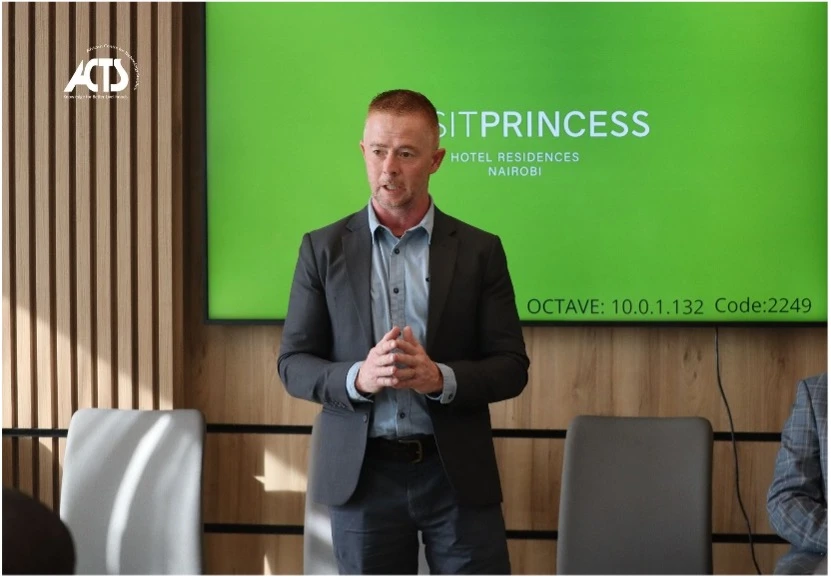
Image 4: Steve Cowperthwaite, United Nations Environment Programme (UNEP) highlights the importance of sustainable cooling
This shifted the conversation from increasing finance to increasing investment readiness. Preparing communities for investment requires continuous capacity strengthening, stronger cooperative leadership, improved financial literacy and practical business development support. Financial products should respond to where enterprises are in their organic growth journey rather than expecting communities to fit existing lending models.
The SCCCS Programme has already invested considerably in laying this foundation through community readiness assessments, market diagnostics, financial access diagnostics and technical infrastructure assessments. With these, the programme is able to identify where investment is most likely to succeed while providing evidence to guide future financing decisions.
- Looking at the whole cold chain
Another important takeaway was the need to move beyond viewing cold storage as the solution.
Speaking during the engagement, ACTS SPOKE manager, Amon Gachuri stressed that reducing food waste requires an integrated cold chain beginning at the farm and extending through aggregation, transport, storage to the market. Cooling facilities alone cannot solve post-harvest losses if transport remains inefficient which will in turn affect the market and eventually the produce.
Research across Kenya’s horticulture sector continues to reinforce this reality. Studies have shown that many farmers sell through informal channels because of limited aggregation systems, while post-harvest management practices remain low despite significant losses across the value chain. This demonstrates that strengthening cold chain infrastructure must go hand in hand with good agricultural practices, improved logistics, business management, market access and farmer capacity. The programme’s approach reflects this systems perspective by recognising that sustainable cooling succeeds only when markets, finance, policy, infrastructure and technical capacity work together.
- Building partnerships that reduce risk
As demand grows for resilient food systems and climate-smart agriculture, Kenya’s cold chain ecosystem continues to attract interest from both public and private sector investors. The challenge is no longer demonstrating that cooling technologies are valuable. The focus is now on strengthening existing business models and financing mechanisms that reduce investment risk while delivering long-term social and economic returns.
The dialogue brought different perspectives from financial products and cooperative development to market systems, policy, technical assistance and investment readiness. No single institution can transform Kenya’s sustainable cooling ecosystem on its own.
The government creates an enabling policy environment. Financial institutions develop appropriate lending products. Research organisations generate evidence. Development partners help reduce investment risks. The private sector drives innovation and markets, while communities remain central to ensuring solutions respond to local realities.
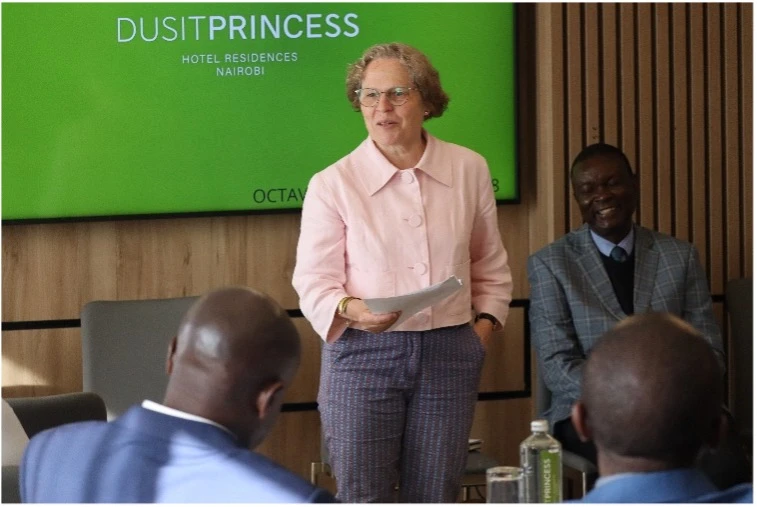
Image 5: Dorrit Jensen, Ministry of Foreign Affairs Denmark speaking during the Consultative Meeting
Reflecting on the importance of collaboration, Dorrit Skaarup Jensen, representing the Ministry of Foreign Affairs of Denmark, noted,
“Kenya has an opportunity to demonstrate how climate-smart investments can strengthen food systems while creating economic opportunities. Strong partnerships can help scale these solutions… “
Perhaps the strongest message to emerge was that sustainable cooling cannot be financed in isolation. It depends on various interventions that place communities at the centre of every decision.
As Kenya advances its food security agenda, the Sustainable Cooling and Cold Chain Solutions (SCCCS) Programme is supporting efforts to strengthen more efficient, inclusive and climate-resilient food systems by bringing together farmers, financiers, investors, policymakers and technology providers. As the programme enters its next phase, the focus is on turning evidence into investment and partnerships into scalable solutions that strengthen livelihoods and deliver lasting impact.