
By Patience Mebo Ochieng, Peter Ongalo, Dorcas Kalele
The mystery of feeding the growing population
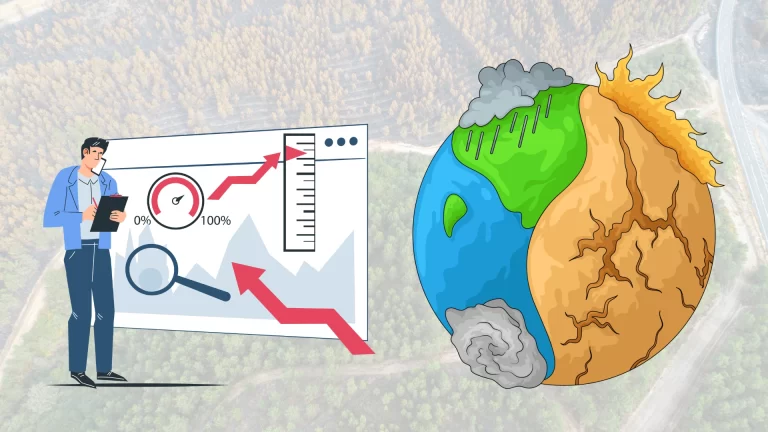
By 2030, urban areas in low- and middle-income countries will house over 4 billion people—more than double the 2000 figure (UNICEF 2023). This growth demands far more food production, with estimates of power will 70% increases over current levels, though such figures often tie to longer-term 2050 projections. It’s a staggering challenge, but the real complexity lies in how we’ll get there—balancing sustainable farming innovations, resilient supply chains, and equitable urban food systems to nourish billions without exhausting our planet’s resources. Agri-food systems are already under immense pressure from climate change, which is disrupting growing seasons, intensifying droughts and floods, making farming an increasingly unpredictable and risky venture, especially for smallholder farmers in sub-Saharan Africa (SSA) (Kannan et al., 2022). This is coupled with ongoing soil and farmland degradation from intensive agricultural practices and human activities. The resulting impacts include water scarcity across the majority of growing regions, reduced productivity, and, in turn, increased food insecurity. The reality of these impacts represents a perfect storm that requires urgent solutions to preserve future generations and ecosystems. The ‘big question’ isn’t just about growing more food; it’s about embracing sustainable growing approaches that don’t compromise the limited resources and ecosystems that the ‘People and Planet ’ depend on for ‘Profit’ and well-being.
Modern agriculture faces a critical dual challenge: significantly increasing global food production to meet global food demand while enhancing the capacity of agri-food systems to adapt and mitigate the impacts of climate change. These issues connect directly to two key Sustainable Development Goals: SDG 2 (Zero Hunger) and SDG 13 (Climate Action). Traditional agriculture is struggling to keep pace with these demands, facing a trifecta of limitations that threaten our ability to feed growing populations. First, arable land is becoming increasingly scarce as urban areas expand, and productive farmland is lost to development, degradation, and desertification. Second, the rapid urbanisation of our world means more people are concentrated in cities, far from traditional farming regions, making food transportation costly and increasing the carbon footprint of our meals. Third, climate change is causing erratic rainfall patterns, leaving farmers vulnerable to both droughts and floods while depleting water sources critical for irrigation. These challenges are particularly acute in urban and water-stressed regions where the need for food is greatest, but the resources to produce it are most limited. This pressing reality calls for the adoption of sustainable, climate-smart farming technologies to support the efficient utilisation of limited resources. Technologies like hydroponics can produce more food, in less space, with less water, and closer to where people live.
Is Hydroponics technology the solution?
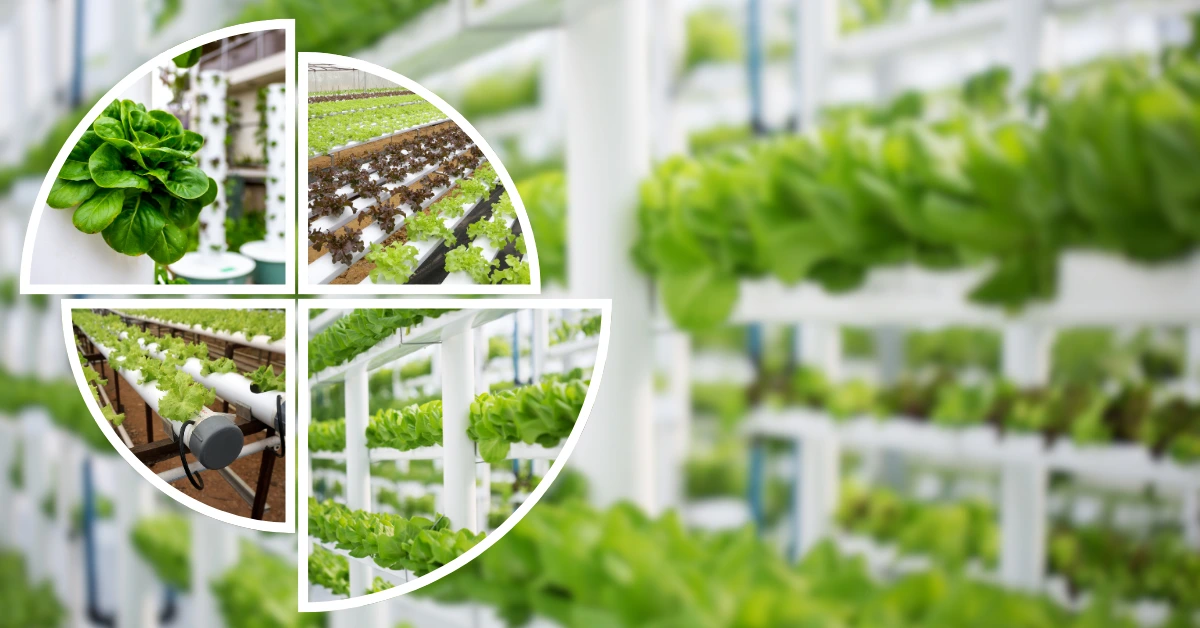
Hydroponics is a technique that enables plants to grow without soil, presenting an opportunity to transform food production in ways that prioritise sustainability, efficiency, and resilience. The term hydroponics—originating from the Greek terms hydro (meaning water) and ponos (meaning labour)—refers to the practice of cultivating plants in water enriched with nutrients rather than traditional soil. Instead of depending on earth-based nutrients, plants are fed precisely formulated mineral solutions delivered straight to their root systems. Support materials such as perlite, coconut coir, or specialised foams merely provide structural stability for the plants.
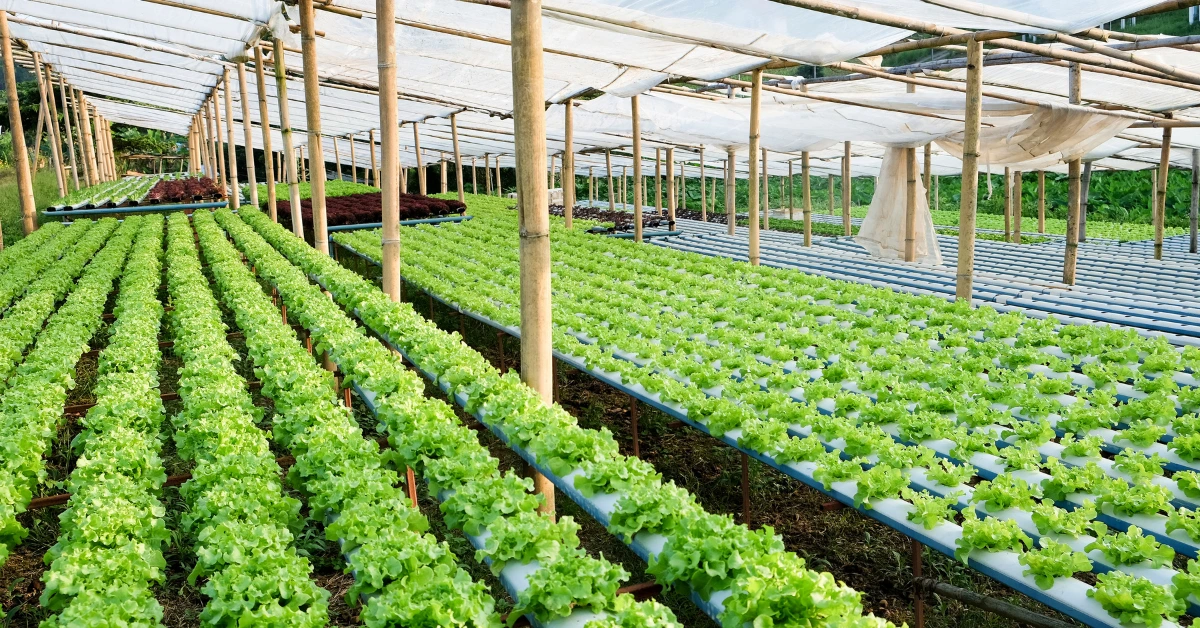
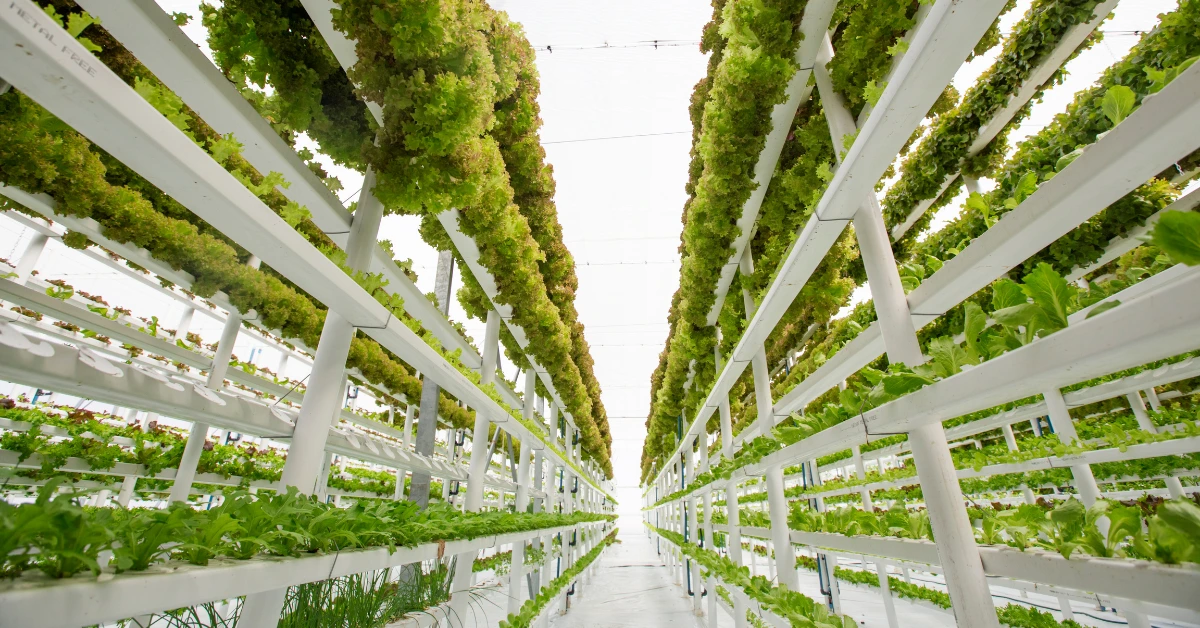
The use of hydroponics is increasingly becoming more than just an innovative cultivation method; it has proven to be a transformative, climate-smart agricultural technology with significant potential to boost crop productivity while maximising resource efficiency. The technique offers remarkable benefits, including enhanced water utilisation through a circular systems model, achieving up to 90% efficiency compared to conventional agriculture, making it an ideal option for water-scarce regions. Another key benefit is the space efficiency of hydroponic systems, demonstrated by their ability to be stacked vertically or installed in urban environments, on rooftops, and in warehouses. This helps to bring food production closer to consumers, thus minimising greenhouse gas emissions through reduced transportation and post-harvest losses. The controlled environment enables year-round crop production independent of seasonal variations and unpredictable weather, ensuring consistent yields and food availability. Plants grow faster in hydroponic systems, often 30-50% quicker than in soil because they receive optimal nutrition and oxygen directly to their roots. Additionally, hydroponics significantly reduces the need for pesticides since soil-borne diseases and pests are eliminated, resulting in cleaner, healthier produce. These combined benefits position hydroponics as a viable solution for addressing the pressing challenges of limited arable land, urban food deserts, and climate uncertainty.
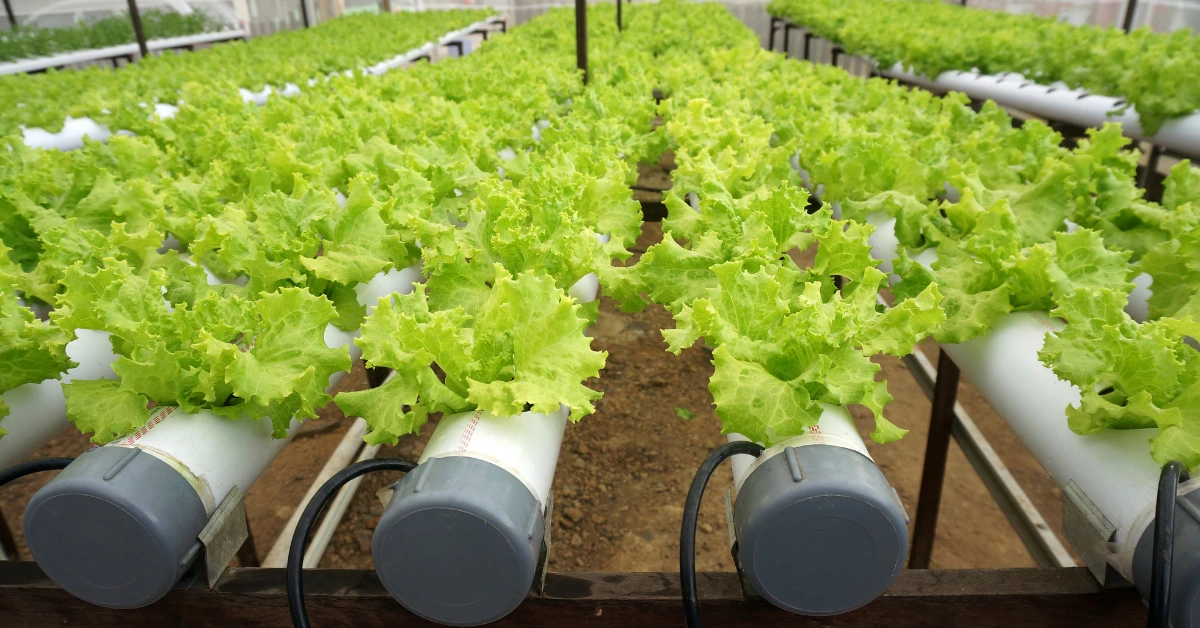
This approach is part of Controlled Environment Agriculture (CEA), built on the idea that plants don’t need soil; they need nutrients, water, oxygen, and support. When these elements are delivered precisely and consistently, plants often grow faster and healthier than they do under natural field conditions. Hydroponic systems range from simple to highly sophisticated. Beginners often start with Deep Water Culture (DWC) or the Kratky Method, while commercial farms typically use Nutrient Film Technique (NFT) or Dutch bucket systems for their efficiency and scalability. Ultimately, there’s a hydroponic solution for every grower, from home gardeners to large-scale producers. Hydroponics as a sustainable pathway to food and nutrition security
Hydroponics gives growers full control over the growing environment. Instead of guessing nutrient availability, farmers can adjust nutrient concentrations, pH, light, and humidity with precision. This results in faster growth—often twice as fast—partly because roots receive more oxygen than they do in compacted soils.
Another major advantage? Water conservation. Hydroponic systems recirculate water and nutrients, using up to 90% less water than traditional farming. This not only lowers costs but also reduces environmental impact.
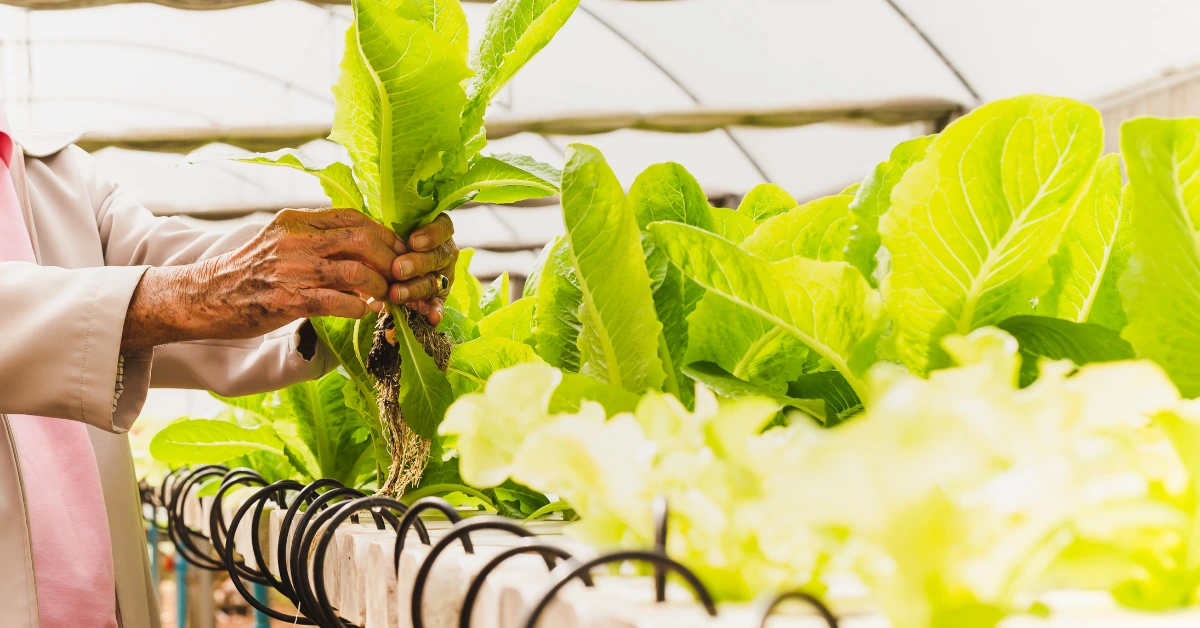
Key Benefits of Hydroponics
- Enables fresh vegetable production in deserts, rocky terrain, or frozen regions—soil is no longer a barrier, supporting year-round crops and higher yields.
- No weeds to manage.
- Fewer soil-borne pests.
- Less time and labour for maintenance.
- Easier planting and harvesting, often at table height.
- No need for crop rotation.
- Greatly reduced transplant shock.
The result is a system designed for higher efficiency, lower risk, and significantly improved yields.
But What’s the Catch?
Like any system, hydroponics has its challenges. Initial setup costs are higher, and growers must develop a certain level of technical skill to manage nutrient solutions and system components. Diseases like Fusarium or Verticillium can spread quickly in shared water systems, though the availability of resistant plant varieties has helped mitigate these risks.
The Bottom Line
In a nutshell, hydroponics isn’t just a different way to grow food—it’s a smarter way, maximising output while minimising resources and environmental strain. By slashing water use by up to 90%, easing pressure on arable land, and enabling year-round production in non-traditional spaces such as deserts, rooftops, and urban warehouses, it paves the way for a climate-resilient agriculture tomorrow.
As our planet grapples with surging populations nearing 8.5 billion by 2030, erratic weather, soil degradation, and shrinking farmland, resource-efficient innovations like hydroponics become indispensable. This technology turns water-scarce deserts into verdant farms, transforms city skyscrapers into vertical gardens, and converts abandoned buildings into nutrient-rich powerhouses—bringing fresh produce directly to dense urban populations.
Why Hydroponics Wins
- Scalability: Fits anywhere—from small home setups to massive commercial operations—ideal for space-constrained cities housing over 4 billion people by 2030 in low- and middle-income countries.
- Sustainability: Cuts chemical runoff, boosts yields 2-10 times higher per square foot, and supports organic practices without soil limitations.
- Economic Edge: Lower labour, no pesticides or weeding, faster cycles (30-50% quicker harvests), and premium pricing for local, fresh greens.
- Global Impact: Addresses food insecurity by localising production, reducing transport emissions, and thriving in extreme climates.
For innovators, farmers, policymakers, or anyone tackling global nutrition challenges, hydroponics transcends being an option—it’s a proven opportunity. It’s a reality today, with thriving examples worldwide from Singapore’s vertical farms to Arizona’s desert operations. The time to act is now: invest in hydroponics to rethink agriculture, fortify resilient food systems, and secure nutritious meals for generations ahead.
Additional Reading and Resources
- Shrestha, A., & Dunn, B. (2010). Hydroponics (Fact Sheet HLA-6442). Oklahoma Cooperative Extension Service.
https://extension.okstate.edu/fact-sheets/hydroponics.html - Introduction to Hydroponics: https://www.youtube.com/watch?v=JQFdJd6h7oo
- Hydroponic Systems Overview: https://www.youtube.com/watch?v=QGgcoZKympI
- Kannan, M., Elavarasan, G., Balamurugan, A., Dhanusiya, B., & Freedon, D. (2022). Hydroponic farming–A state-of-the-art for future agriculture. Materials today: proceedings, 68, 2163-2166.
- UNICEF. (2023). The State of Food Security and Nutrition in the World 2023.